

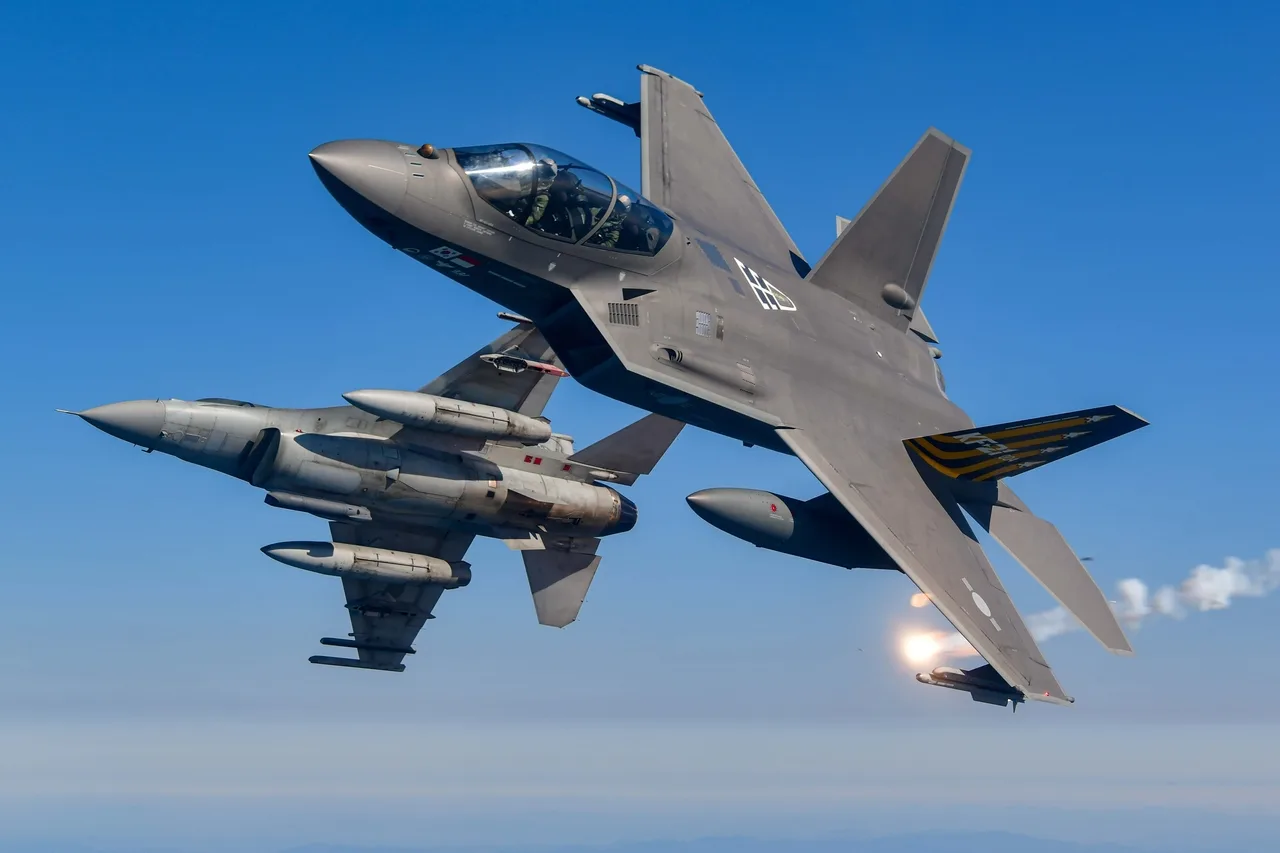
Fighter jet pilot salary in 2026 is structured around military rank, service duration, and allowances, rather than aircraft type. Unlike commercial aviation, where pay is tied to hours flown and airline seniority, military compensation follows a standardized officer pay system with additional aviation-specific incentives.
Across major air forces, total compensation includes:
- Base salary
- Flight pay and aviation incentives
- Deployment-related allowances
- Housing and healthcare benefits
- Long-term pension
At the senior level, total compensation for fighter pilots in leading air forces such as the United States can exceed $150,000–$200,000 annually, while countries with lower defense budgets report lower nominal salaries but offer subsidized benefits that reduce living costs significantly.
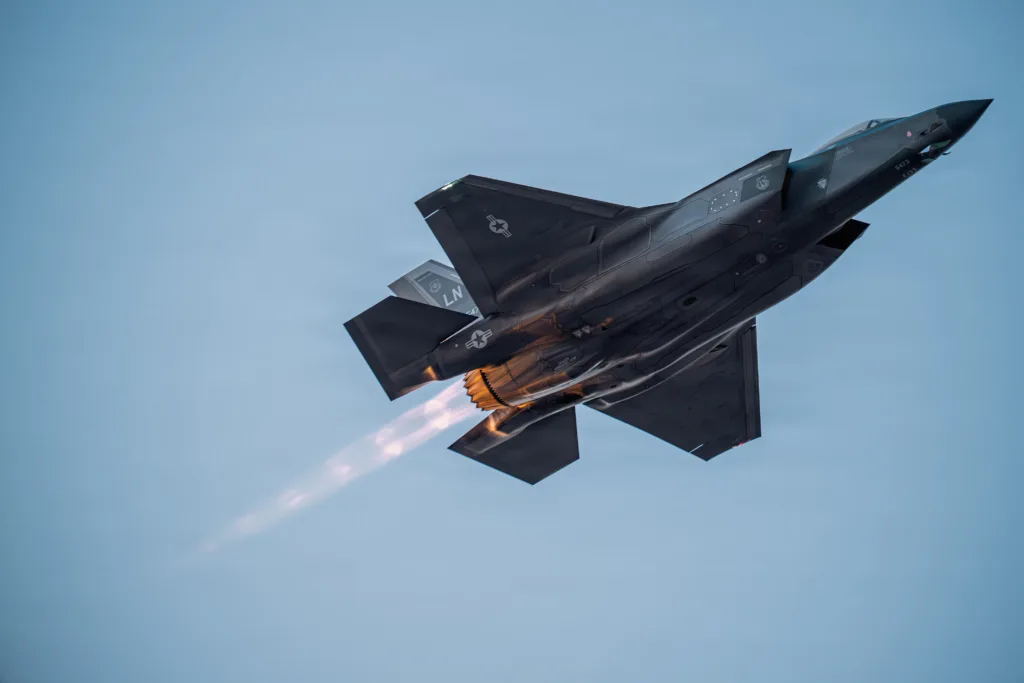
Fighter Jet Pilot Salary Breakdown
Fighter pilots are paid under the same officer pay scales as other military pilots. The difference comes from aviation-specific allowances and retention bonuses.
United States Air Force (USAF)
- Entry (2nd Lieutenant): $65,000–$75,000
- Mid-career (Captain): $110,000–$125,000
- Senior (Major): $135,000–$165,000
- With bonuses: $150,000–$200,000
Key Pay Components
- Base Military Pay – Determined by rank and years of service
- Aviation Career Incentive Pay (ACIP) – Up to $12,000/year
- Aviation Continuation Pay – $25,000–$50,000/year
- Hazardous Duty Pay – ~$225/month
- Housing Allowance (BAH) – Location dependent
Aircraft such as the F-22, F-35, or F-16 do not influence base pay. Compensation differences are driven by retention incentives and operational requirements.
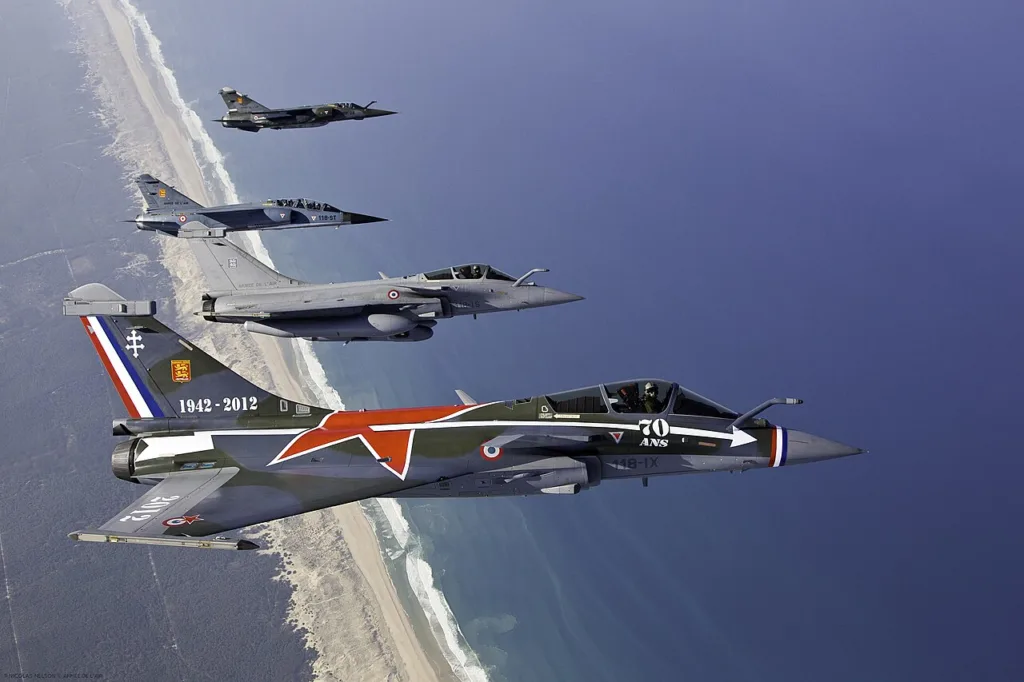
Global Fighter Jet Pilot Salary Comparison (Monthly)
The monthly data shows a clear spread across regions, with the United States setting the benchmark among Western air forces. Fighter pilots in the U.S. Air Force progress from about $5,300 per month at entry level to $13,400 at senior ranks, placing it consistently at the top of the structured pay scale. Australia and Saudi Arabia sit close to this level at the upper end, with senior monthly earnings reaching roughly $12,500–$14,600, while the UAE also remains competitive at around $14,100 for senior officers.
In Europe, pay remains more moderate but stable. The UK ranges from about $4,260 to $12,240 per month, while Germany and France peak slightly lower, at around $10,000–$10,200. Canada aligns closely with this group, reaching just over $10,500 at senior level.
India and China report lower nominal figures, with senior monthly earnings at approximately $3,600 and $5,500 respectively. These numbers reflect broader economic conditions and are typically supported by lower living costs and state-backed benefits. Overall, the monthly comparison highlights how mid-career earnings in most countries cluster between $7,000 and $10,000, while senior-level pay diverges more significantly depending on region.
| Country | Air Force | Starting Monthly | Mid-Career Monthly | Senior Officer |
|---|---|---|---|---|
| USA | USAF | $5,300 | $10,400 | $13,400 |
| UK | RAF | £3,200 ($4,260) | £6,800 ($9,040) | £9,200 ($12,240) |
| India | IAF | ₹1,36,000 ($1,440) | ₹2,47,000 ($2,620) | ₹3,41,000 ($3,610) |
| China | PLAAF | ¥12,000 ($1,740) | ¥25,000 ($3,630) | ¥38,000 ($5,510) |
| Canada | RCAF | CAD 6,200 ($4,530) | CAD 11,000 ($8,030) | CAD 14,500 ($10,590) |
| Australia | RAAF | AUD 7,800 ($5,380) | AUD 13,500 ($9,320) | AUD 18,200 ($12,560) |
| Germany | Luftwaffe | €3,800 ($4,370) | €6,500 ($7,480) | €8,900 ($10,240) |
| France | Armée de l’Air | €3,500 ($4,020) | €6,200 ($7,130) | €8,500 ($9,780) |
| UAE | UAE Air Force | AED 18,000 ($4,900) | AED 35,000 ($9,520) | AED 52,000 ($14,140) |
| Saudi Arabia | RSAF | SAR 20,000 ($5,340) | SAR 38,000 ($10,150) | SAR 55,000 ($14,690) |
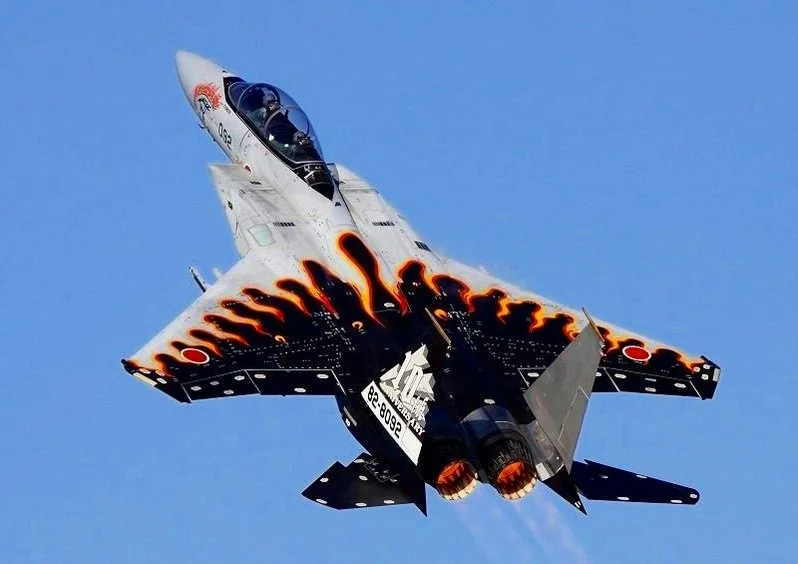
Global Fighter Jet Pilot Salary Comparison (Annual)
On the other hand, the annual figures reinforce the same structure but make the differences more visible at senior levels. Unsurprisingly, the United States leads among Western forces, with fighter pilots earning around $160,800 annually at senior rank. Australia follows closely at approximately $150,700, while the UK reaches close to $146,800, placing all three within a similar high-income bracket.
European countries such as Germany and France fall into a mid-tier range, with senior annual salaries of about $122,800 and $117,300 respectively. Canada again trends slightly higher within this group, reaching roughly $127,000 annually.
The highest annual earnings in the dataset come from the Middle East. Saudi Arabia tops the list at approximately $176,000, followed by the UAE at around $169,600, driven largely by tax-free income structures.
At the lower end, India and China report senior annual salaries of about $43,300 and $66,100, maintaining the same relative gap seen in monthly pay. Overall, most mid-career fighter pilots globally earn between $90,000 and $120,000 annually, while senior compensation varies more widely based on country-specific pay systems and allowances.
| Country | Air Force | Starting Annual | Mid-Career Annual | Senior Officer |
|---|---|---|---|---|
| USA | USAF | $63,600 | $124,800 | $160,800 |
| UK | RAF | £38,400 ($51,120) | £81,600 ($108,480) | £110,400 ($146,880) |
| India | IAF | ₹16,32,000 ($17,280) | ₹29,64,000 ($31,440) | ₹40,92,000 ($43,320) |
| China | PLAAF | ¥144,000 ($20,880) | ¥300,000 ($43,560) | ¥456,000 ($66,120) |
| Canada | RCAF | CAD 74,400 ($54,360) | CAD 132,000 ($96,360) | CAD 174,000 ($127,080) |
| Australia | RAAF | AUD 93,600 ($64,560) | AUD 162,000 ($111,840) | AUD 218,400 ($150,720) |
| Germany | Luftwaffe | €45,600 ($52,440) | €78,000 ($89,760) | €106,800 ($122,880) |
| France | Armée de l’Air | €42,000 ($48,240) | €74,400 ($85,560) | €102,000 ($117,360) |
| UAE | UAE Air Force | AED 216,000 ($58,800) | AED 420,000 ($114,240) | AED 624,000 ($169,680) |
| Saudi Arabia | RSAF | SAR 240,000 ($64,080) | SAR 456,000 ($121,800) | SAR 660,000 ($176,280) |
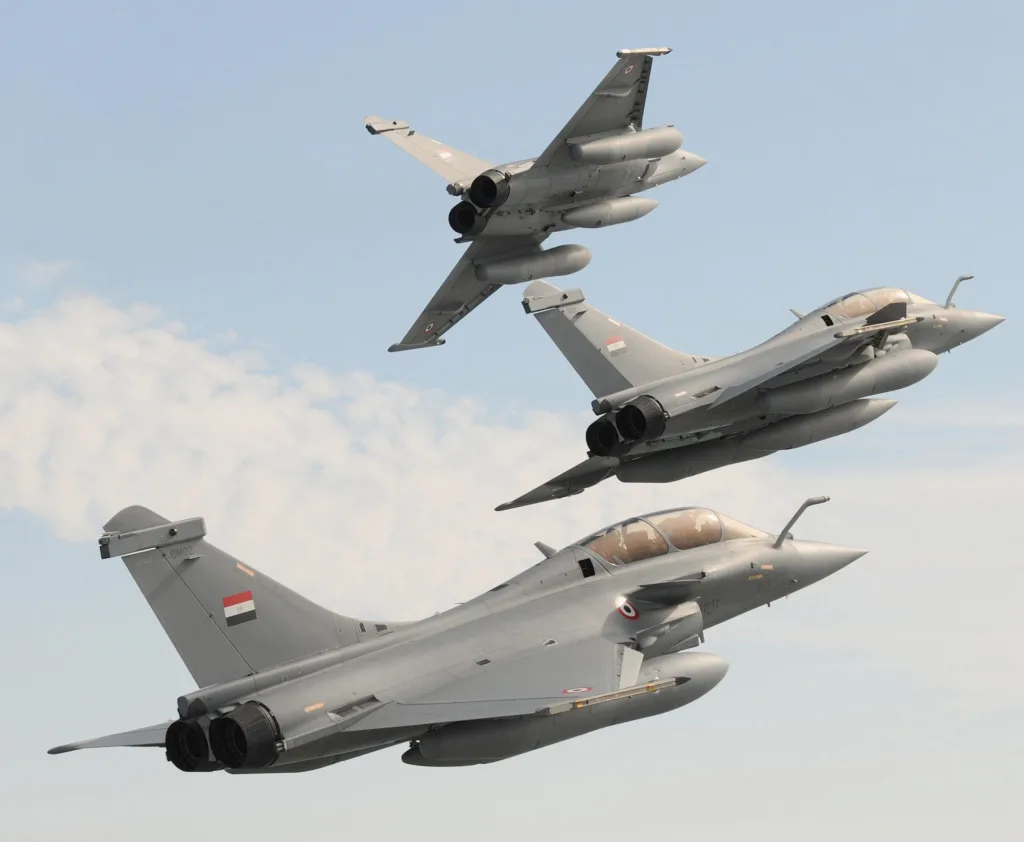
Key Insights from Global Salary Data
- The United States leads in total compensation due to bonuses and allowances.
- UAE and Saudi Arabia offer competitive net income due to tax-free structures.
- Europe (UK, Germany, France) maintains stable but moderate pay levels.
- India and China offer lower nominal salaries but strong state-backed benefits.
What Other Benefits Do Fighter Pilots Get?
Fighter jet pilot salary represents only one part of the total compensation structure. Across most air force, the overall package is designed to offset the operational demands, long service commitments, and high training costs associated with the role. As a result, benefits often account for a significant share of total annual value, in some cases adding the equivalent of $40,000 to $70,000 per year on top of base pay.
Core Benefits
- Housing or Rental Support
Fighter pilots are either provided with on-base accommodation or receive a housing allowance that covers rental costs in civilian areas. In countries like the United States, this allowance is tax-free and varies by location, often exceeding $3,000 per month in major cities. This removes direct exposure to local rent inflation and ensures consistent living standards regardless of posting. - Food Allowances
Pilots receive subsidized or fully covered meals, particularly during deployments or when stationed away from their primary base. In some cases, this is paid as a monthly allowance, while in others it is provided through military facilities. - Fully Funded Healthcare
Medical coverage includes general healthcare, dental, and vision services for both the pilot and their immediate family. There are typically no premiums or out-of-pocket expenses, which significantly reduces annual living costs compared to civilian aviation roles. The annual value of this benefit alone can exceed $20,000, depending on family size and country. - Retirement Pension
After around 20 years of service, fighter pilots qualify for a defined pension, usually around 50% of base pay. Unlike civilian retirement systems, this income begins immediately after service, providing long-term financial stability.
These benefits collectively increase total compensation and reduce personal expenses, making the effective income higher than the base salary alone.
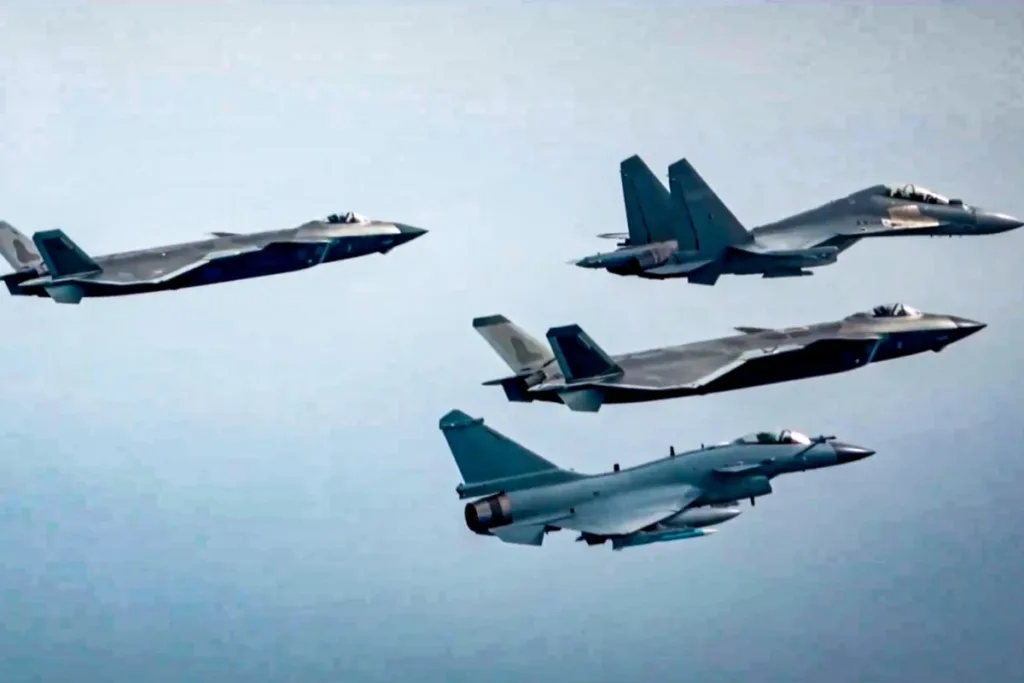
Additional Compensation
- Flight Pay (ACIP)
Aviation Career Incentive Pay is provided to pilots actively engaged in flying duties. This typically ranges from $150 to $1,000 per month depending on rank and years of aviation service, and it continues as long as the pilot remains in an operational flying role. - Combat Missions Pay
Pilots involved in active combat operations receive additional compensation tied to mission type and operational intensity. This is designed to reflect the higher level of risk and responsibility associated with combat sorties. - Deployment Pay
Assignments in operational theaters or overseas deployments come with additional earnings. These payments compensate for extended time away from home base and the demands of operating in unfamiliar environments. - Hazard Pay
Hazardous duty pay is granted for high-risk missions, including low-level flying, combat operations, and exposure to hostile environments. In the United States, this is typically around $225 per month but can combine with other allowances. - Special Duties Pay
Pilots assigned to roles such as instructor, evaluator, or squadron leadership receive additional monthly compensation. These roles involve higher responsibility, including training new pilots and overseeing operational standards. - Performance Bonuses
Some air forces offer bonuses based on retention, readiness levels, and mission performance. These are particularly important in retaining experienced fighter pilots, especially in countries where commercial aviation offers higher salaries. - Allowances for Dependents
Pilots with families receive additional financial support covering relocation, schooling, and housing adjustments. This ensures that compensation remains stable even when assigned to different bases or countries. - Housing Allowance (Away from Base)
When pilots are stationed away from their primary base, additional housing support is provided to cover temporary accommodation or higher living costs in the new location.
A key financial advantage is that military pilots typically do not incur training debt. Training is fully funded by the government, unlike commercial aviation where pilots often invest $100,000 or more before starting their careers. This allows military pilots to begin earning immediately without financial liabilities.
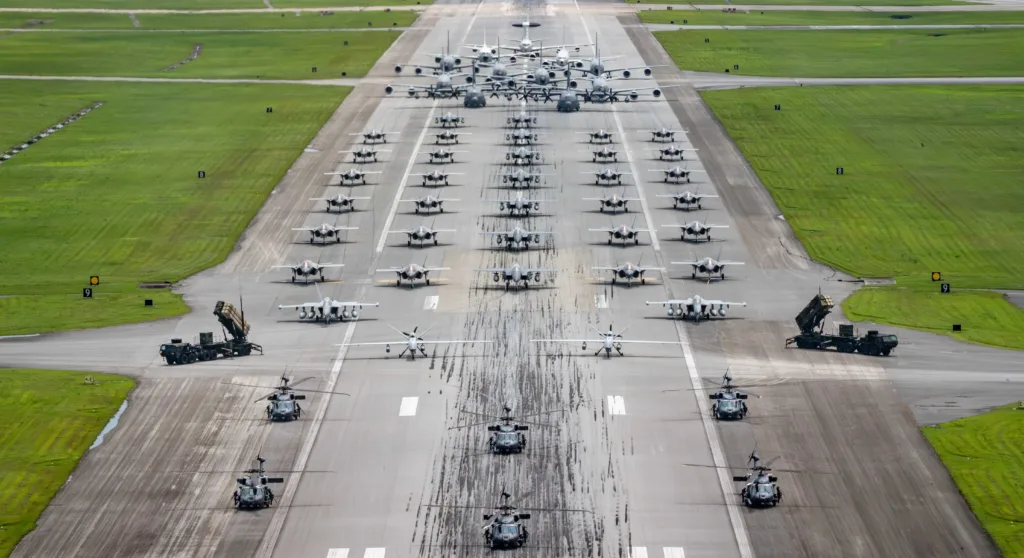
The Demands of Being a Fighter Pilot
Fighter pilots operate in one of the most demanding environments in aviation, both physically and cognitively. The role requires sustained performance under pressure, strict adherence to procedures, and the ability to make rapid decisions in dynamic conditions.
Daily Responsibilities
- Mission Planning
Pilots spend a significant amount of time preparing for missions, including analyzing objectives, weather conditions, fuel requirements, and potential threats. This planning phase is critical to mission success and safety. - Pre-Flight Preparation
Before each sortie, pilots conduct detailed aircraft checks and coordinate with ground crews. This ensures that the aircraft is fully operational and configured correctly for the mission. - Training Sorties
Regular flying exercises are conducted to maintain proficiency. These include air combat maneuvers, formation flying, and weapons training, depending on the pilot’s role. - Simulator Sessions
High-fidelity simulators are used to replicate complex scenarios, including system failures and combat environments. These sessions allow pilots to practice situations that cannot be safely recreated in live flights.
Operational Environment
- Irregular Working Hours
Fighter pilots do not operate on fixed schedules. Missions can take place at any time, including night operations and extended deployments. - Long Missions
Depending on the aircraft and mission type, sorties can last several hours, often requiring sustained concentration and physical endurance. - High-Risk Deployments
Operational assignments may involve flying in hostile environments, requiring constant awareness and adherence to strict procedures.
Modern fighter aircraft are equipped with advanced avionics and sensor systems. Pilots must process large volumes of data in real time while maintaining control of the aircraft, which adds to the cognitive workload.
Physical Requirements
- High G-Force Tolerance
Fighter pilots routinely experience high acceleration forces during maneuvers. These forces can exceed 9G in some aircraft, placing significant strain on the body. - G-Induced Loss of Consciousness (GLOC)
If blood flow to the brain is restricted during high-G maneuvers, pilots can lose consciousness within seconds. To mitigate this, pilots undergo specialized training and use anti-G suits that help maintain circulation.
Maintaining physical fitness is mandatory, with regular medical evaluations ensuring pilots remain fit for operational duties.
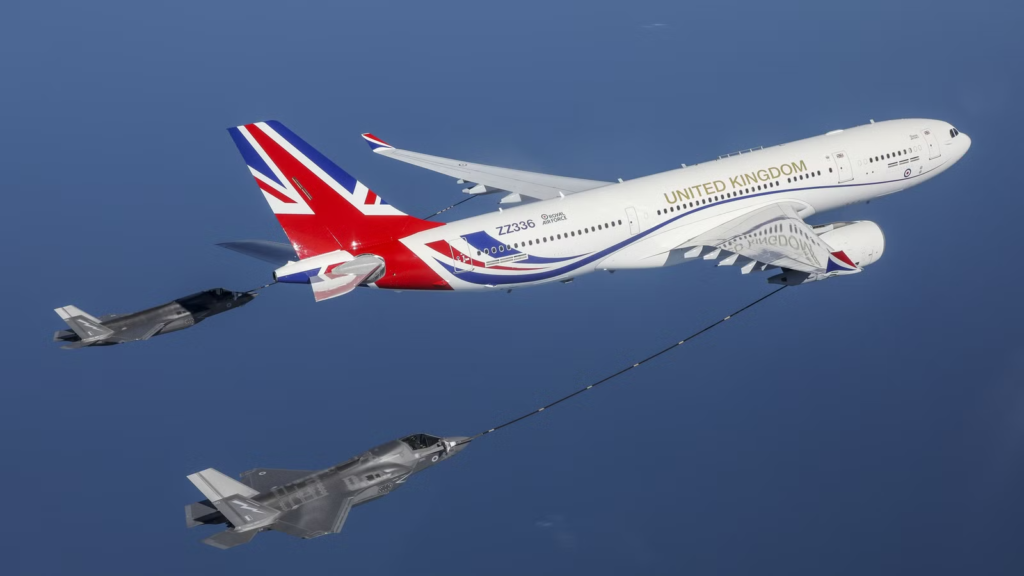
Fighter Pilot Salary vs Commercial Pilot Pay
A comparison between military and commercial pilot earnings highlights two distinct career models. Military aviation offers structured progression and long-term benefits, while commercial aviation provides higher earning potential at later career stages.
| Airline | First Officer | Captain (Year 6) | Captain (Year 12) |
|---|---|---|---|
| American Airlines | $113,000 | $323,000 | $338,000 |
| Delta Air Lines | $113,000 | $322,000 | $336,000 |
| United Airlines | $116,000 | $328,000 | $343,000 |
| Alaska Airlines | $115,000 | $311,000 | $325,000 |
| Southwest Airlines | $126,000 | $316,000 | $331,000 |
In contrast, military pilot salaries increase more gradually. Even at senior ranks, most fighter pilots earn between $135,000 and $165,000 annually, excluding bonuses. While this is lower than top-tier airline salaries, the overall compensation structure differs in several important ways.
Military pilots benefit from fully funded training, eliminating the financial barrier associated with entering the profession. They also receive a guaranteed pension after 20 years of service, which provides immediate post-retirement income. In addition, benefits such as housing, healthcare, and allowances reduce living expenses, effectively increasing net income.
Commercial pilots, on the other hand, typically invest heavily in training and only begin to realize higher earnings after several years in the industry. However, once established, their earning potential exceeds that of military pilots by a significant margin.
For this reason, many fighter pilots transition to commercial aviation after completing their service. This pathway allows them to combine a military pension often $40,000 to $60,000 annually, with a commercial pilot salary that can exceed $250,000 per year, resulting in a higher total income during the later stages of their careers.
How to Become a Fighter Jet Pilot?
Becoming a fighter jet pilot requires a multi-stage selection and training process, with high entry standards and a long-term service commitment. The pathway varies slightly by country, but the overall structure remains consistent across major air forces.
Entry Requirements
- Education
A bachelor’s degree is required in air forces such as the USAF, while other countries may allow entry after secondary education with science subjects. - Medical Fitness
Candidates must meet strict medical standards, including cardiovascular health, vision requirements, and overall physical condition. - Vision Standards
Vision must typically be 20/20 (correctable), with strict limits on refractive error. - Security Clearance
Due to the nature of military operations, candidates must pass background checks and obtain security clearance.
Training Process
- Officer Commissioning
Candidates first become commissioned officers through academies, ROTC programs, or officer training schools. - Selection Tests
This includes aptitude testing, psychological evaluation, and flight screening. - Flight Training (1–2 Years)
Initial training covers basic flight skills, navigation, and instrument flying before progressing to jet aircraft. - Advanced Jet Training
Pilots learn high-speed flight operations, formation flying, and tactical maneuvers. - Aircraft Specialization
Based on performance, selected candidates are assigned to fighter aircraft and undergo further specialized training.
Training a fighter pilot is resource-intensive, with costs estimated between $5 million and $10 million per pilot. Due to this investment, most air forces require a minimum service commitment of 8 to 10 years after qualification.
Please join our Telegram Channel for the latest aviation updates.
