

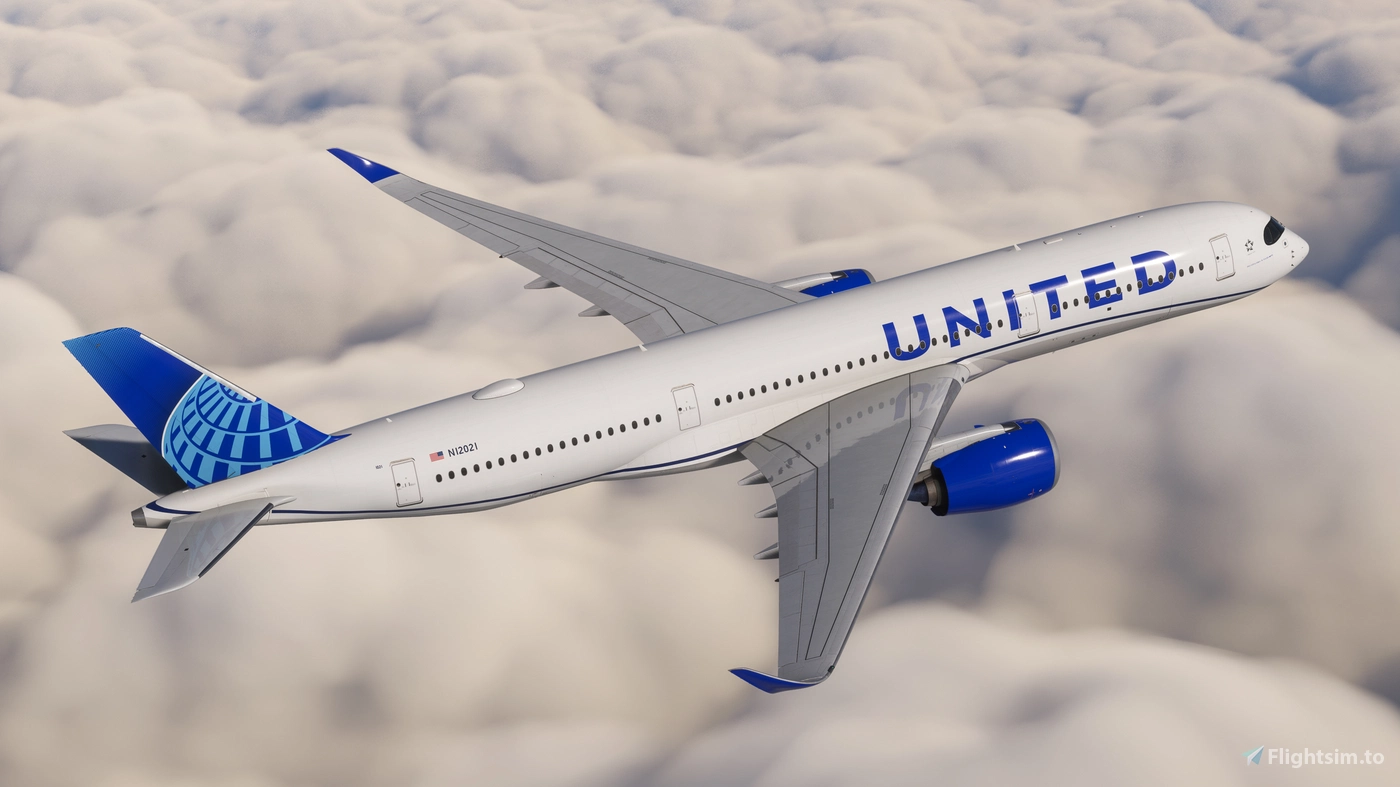
United Airlines (UA) has removed the Airbus A350 from its expected future delivery plans, marking a major shift in long-term fleet strategy and widebody planning. Although the aircraft remains listed under contractual commitments, the airline no longer includes it in operational delivery forecasts, an important signal to investors and the aviation industry.
This update follows an escalating dispute with engine manufacturer Rolls-Royce and reflects a broader reassessment of United’s long-haul growth strategy. As a result, the long-standing A350 program now sits in uncertainty, even without a formal cancellation announcement.
A Long-Standing Airbus A350 Order
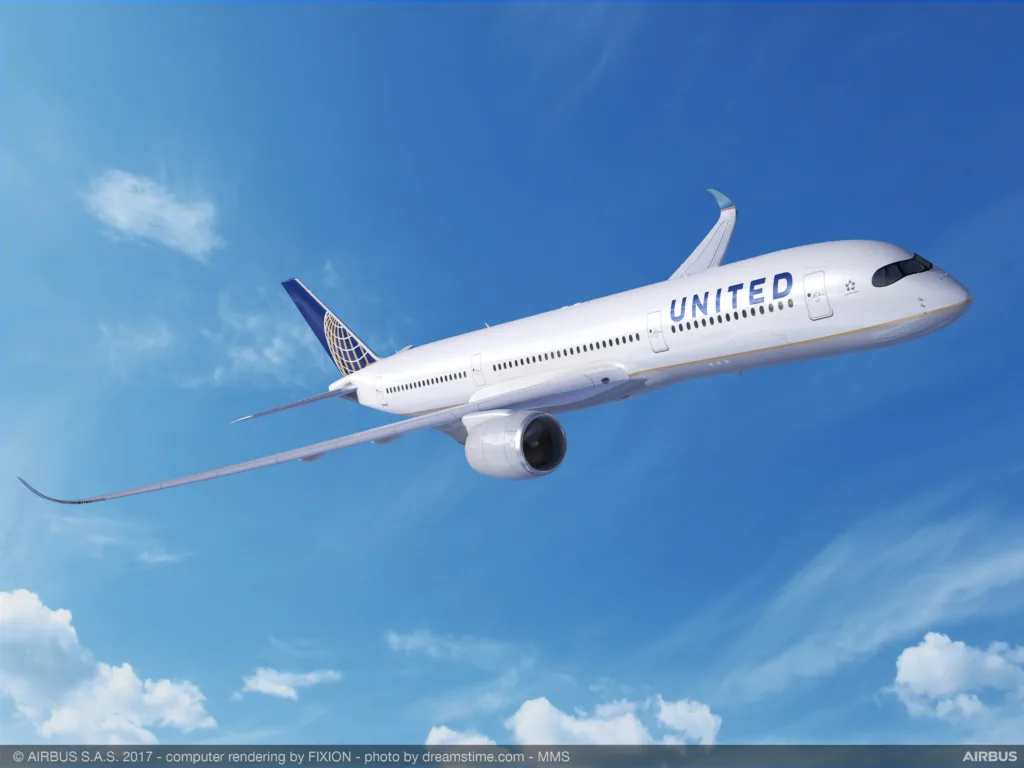
United Airlines originally placed its Airbus A350 order in 2009, later modifying the agreement several times before settling on 45 A350-900 aircraft. For years, the airline repeatedly deferred deliveries while maintaining the order on its books, signaling that the aircraft remained part of its long-term fleet roadmap.
However, recent investor filings reveal a significant shift. The A350 still appears under contractual aircraft commitments scheduled beyond 2027, yet it no longer appears in the airline’s expected delivery tables. This distinction matters because airlines typically use “expected deliveries” to reflect operational planning. Once aircraft disappear from those projections, they effectively move from a firm plan to a strategic option.
Earlier filings had continued to show the A350 as part of United’s future fleet growth. Now, the absence from planning tables indicates management no longer intends to operate the aircraft into near- or mid-term operations.
Engine Dispute With Rolls-Royce
The most immediate driver behind this shift is a dispute between United Airlines and Rolls-Royce over widebody engine purchase and maintenance agreements. According to regulatory disclosures, the airline claims a breach tied to agreements signed in 2010 and a $175 million commitment payment made in 2017.
United demanded repayment plus escalation charges, while Rolls-Royce terminated the agreements and asserted that United breached contractual terms. Each side now claims damages, creating a legal and commercial standoff.
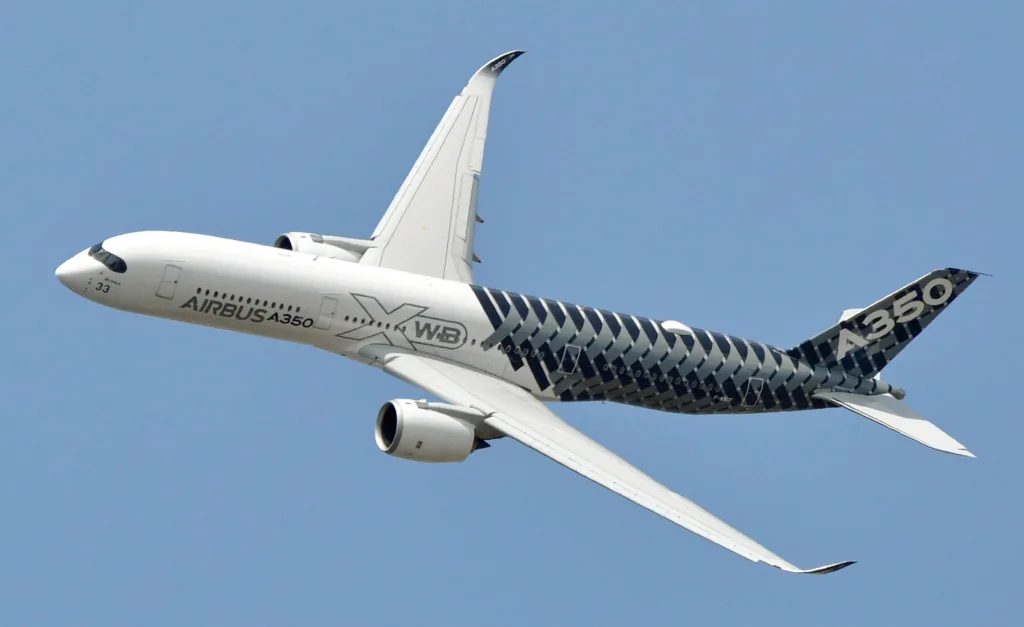
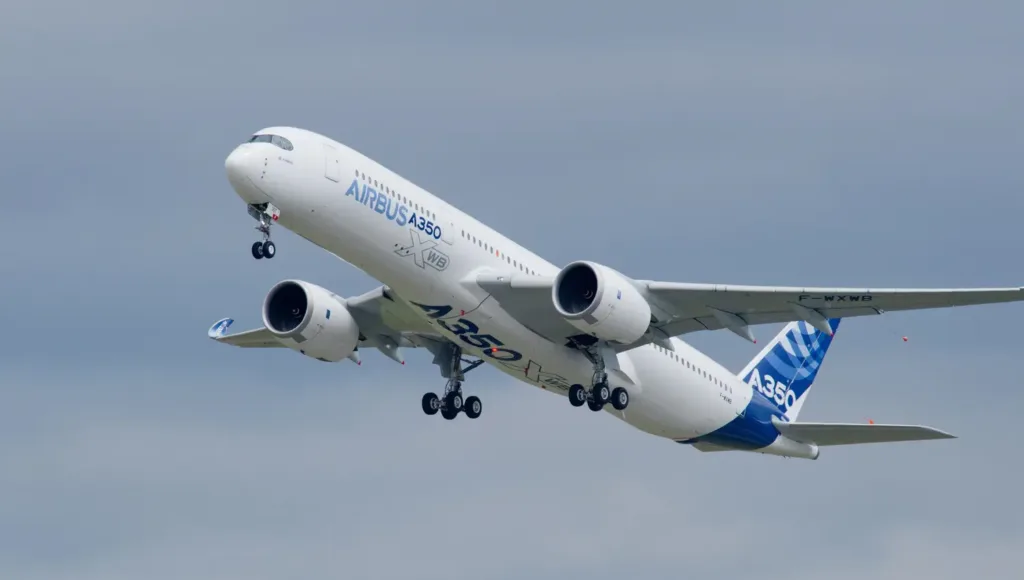
The conflict directly impacts the A350 program because the aircraft relies exclusively on Rolls-Royce Trent XWB engines. Without a stable engine agreement, bringing the aircraft into service becomes significantly more complex, both operationally and financially.
Contract Versus Operational Reality
United’s latest disclosures now present two parallel realities. Contractually, the airline still holds commitments for 45 A350 aircraft scheduled beyond 2027. Operationally, however, it expects zero deliveries of this type.
Airlines often keep long-term aircraft orders alive while postponing decisions, especially when market conditions change. Nevertheless, removing aircraft from expected deliveries typically signals that leadership no longer plans to operate them into fleet operations.
Both Airbus and Rolls-Royce have declined public comment due to the ongoing legal and commercial sensitivities. However, industry observers widely interpret the shift as the clearest sign yet that the A350 may never join United’s fleet.
Fifteen Years of Delays and Strategic Revisions
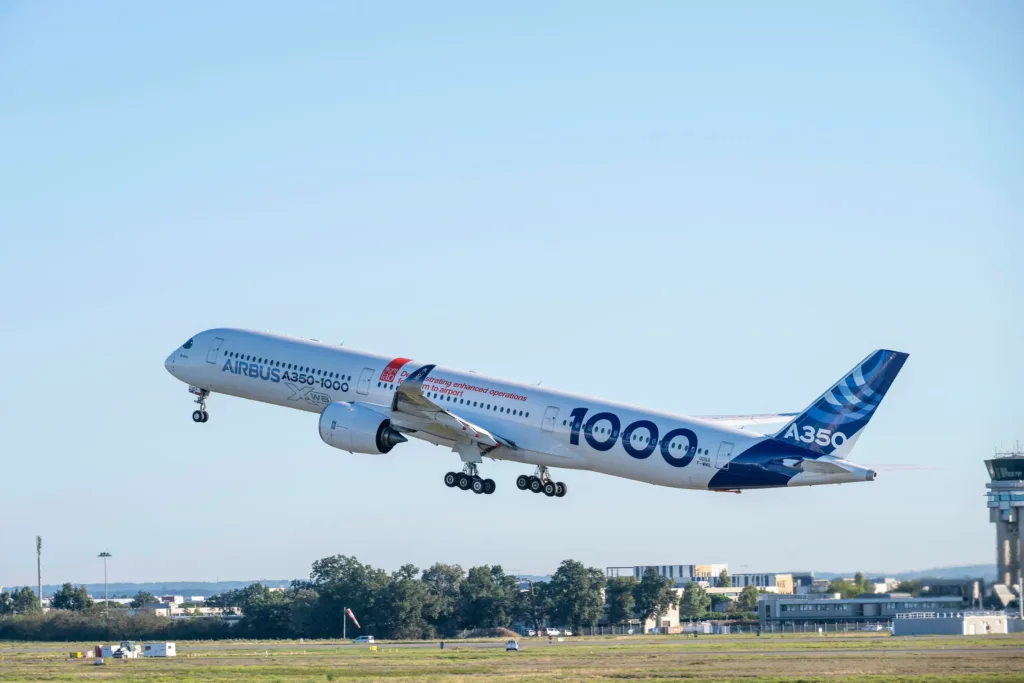
The A350 order has experienced multiple revisions over its lifetime. United initially ordered the smaller A350-900, later converted the order to the larger A350-1000, and then reverted again to the A350-900 while increasing the total order size.
For nearly a decade, the aircraft existed in what analysts describe as an “in-between” state, contractually active but operationally distant. As recently as the mid-2020s, executives suggested a decision timeline around the end of the decade, particularly as older widebodies such as the Boeing 767 approached retirement.
Now, the removal from expected deliveries signals a decisive strategic pivot rather than another deferral.
Fleet Strategy Tilts Toward Boeing 787
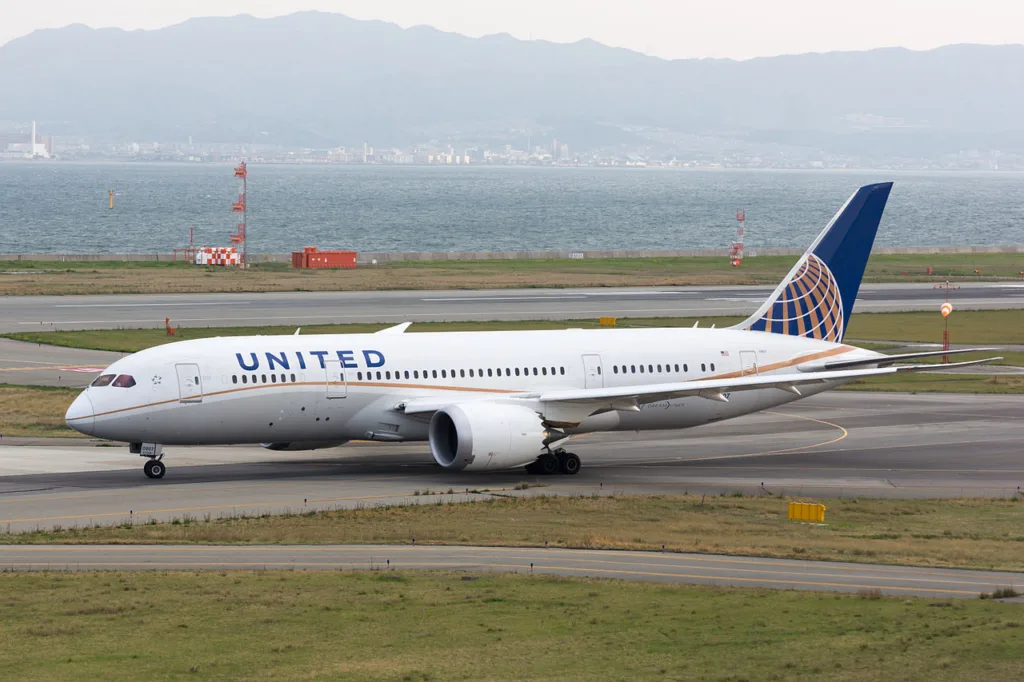
While the A350 order remains uncertain, United Airlines continues expanding its Boeing 787 operations, which already form the backbone of its long-haul modernization strategy. The airline has invested heavily in Dreamliners for transcontinental and international routes, citing efficiency, range, and fleet commonality benefits.
Shifting further toward the 787 reduces complexity and strengthens United’s existing maintenance, training, and operational systems. Therefore, continuing with the A350 would introduce a new aircraft type powered by a different engine ecosystem, an expensive and logistically demanding move.
As fuel efficiency and route flexibility become increasingly important, airlines now prioritize aircraft families that integrate seamlessly into current operations. In this context, the A350 appears less essential to United’s future strategy.
Possible Outcomes for the Airbus A350 Order
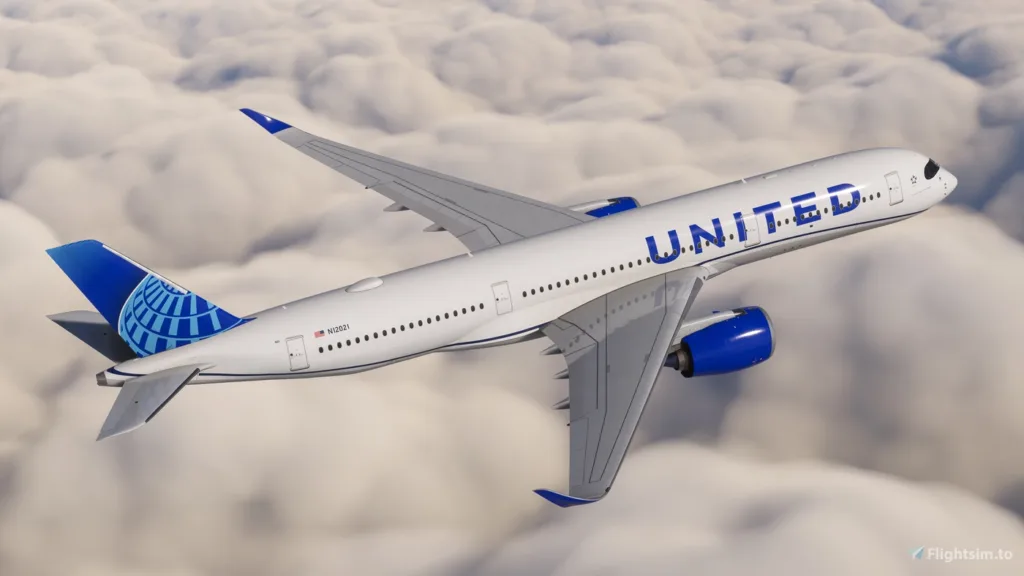
Several scenarios remain possible as negotiations continue and legal matters unfold. First, United could negotiate a formal cancellation, though penalties or settlement costs would likely apply. Second, the airline might continue deferring the order indefinitely, preserving contractual leverage while focusing on other aircraft programs.
Another option involves converting the economic value of the A350 agreement into different Airbus aircraft, particularly narrowbody jets like the A321neo family. This approach would allow Airbus to retain business while removing Rolls-Royce from the equation.
Each outcome carries financial and strategic implications, and the final decision will likely depend on how the engine dispute evolves.
Why the Shift Matters for the Aviation Industry?
The removal of the A350 from expected deliveries highlights how fleet planning depends on far more than aircraft performance. Engine agreements, legal frameworks, and long-term operational strategies all shape airline decisions.
Moreover, the case illustrates how airlines increasingly treat aircraft orders as flexible strategic tools rather than fixed commitments. Companies adjust plans as fuel prices shift, travel demand evolves, and supplier relationships change.
In this instance, United’s filings send a clear message: the A350 remains contractually alive, but it no longer plays a central role in operational planning. Historically, such signals often precede formal announcements, even if negotiations take years to conclude.
Bottom Line – United Airbus Airbus A350
United Airlines has not officially canceled its Airbus A350 order, yet removing the aircraft from expected deliveries marks a decisive turning point. The ongoing dispute with Rolls-Royce, combined with a stronger focus on Boeing 787 operations, suggests the airline is reshaping its long-haul strategy.
Whether the order ends through cancellation, conversion, or continued deferral, the message is clear: the Airbus A350 is no longer central to United’s future fleet vision.
Please join our Telegram Channel for the latest aviation updates.
Source: Simple Flying
