

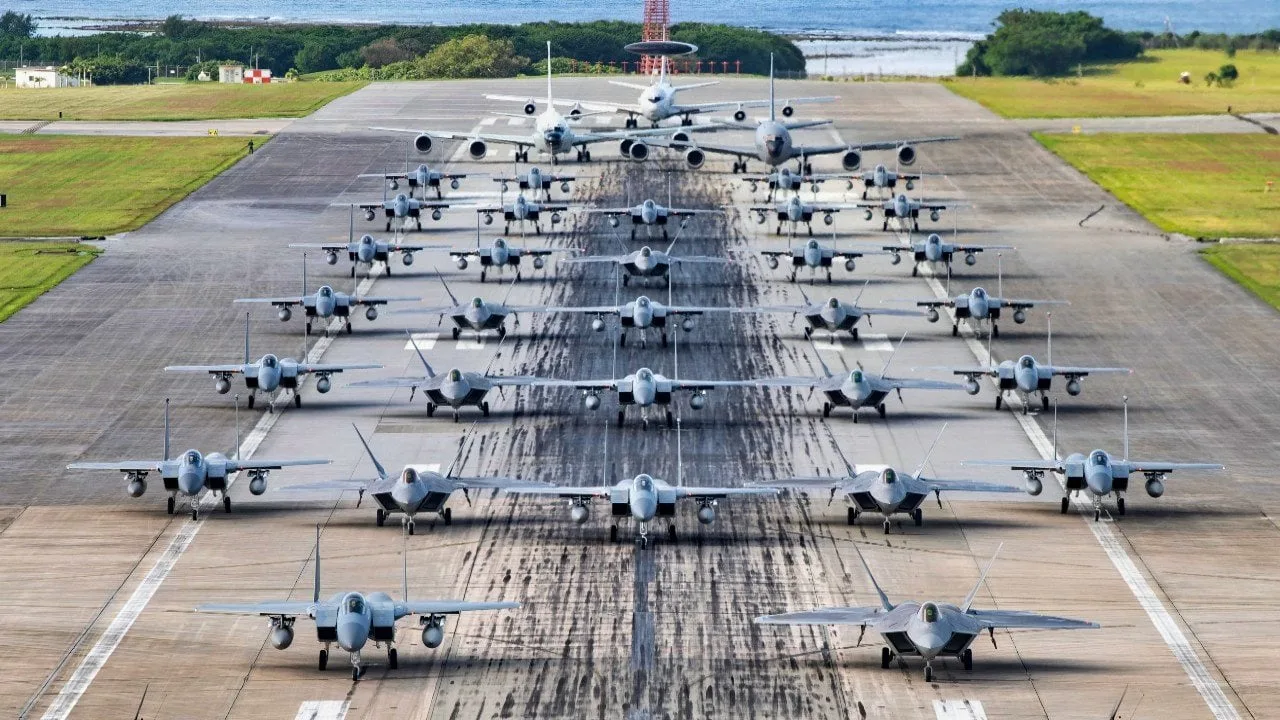
The global balance of air power continues to shift in 2026, with fleet size remaining a key indicator of military capability. While technological advancement, readiness, and pilot training define operational strength, total aircraft inventory still provides a measurable baseline for comparison.
This ranking of the largest air forces in the world in 2026 is based on total military aircraft across all branches, including air force, army aviation, naval aviation, and marine or other units. The figures reflect combined inventories rather than frontline combat aircraft alone.
The United States maintains a dominant lead, operating more aircraft than the next several countries combined. Meanwhile, Russia and China continue to hold second and third positions, supported by large tactical and support fleets. Countries such as India, South Korea, and Japan show balanced structures across multiple branches, while others like Egypt rely heavily on a single service.
This article breaks down each country’s fleet size, structure, and commonly used aircraft types.
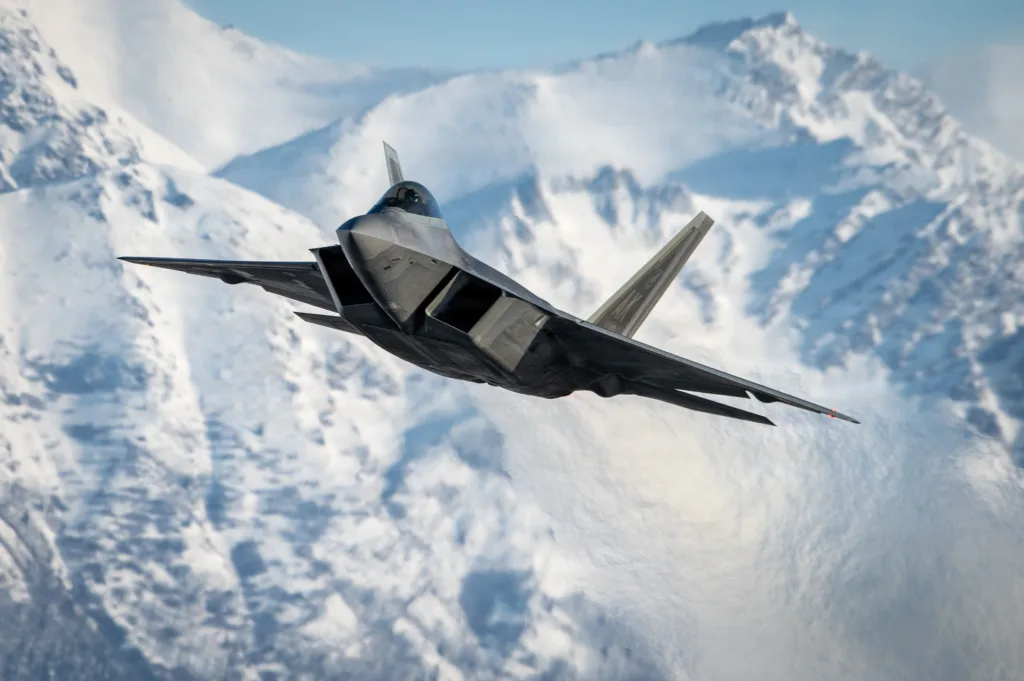
1. United States – 13,043 Aircraft
- Air Force: 4,875
- Army Aviation: 4,367
- Naval Aviation: 2,484
- Marine Corps / Other: 1,317
The United States operates the largest military aviation fleet globally, with 13,043 aircraft across all branches. The structure reflects a multi-service model, with significant aviation assets distributed between the Air Force, Army, Navy, and Marine Corps.
The U.S. Air Force remains the largest individual service, operating fighters such as the F-22 Raptor, F-35A, and F-15EX. Bomber operations include the B-52H, B-1B, and B-2 Spirit, while the B-21 Raider is expected to expand the fleet in coming years.
Another defining feature of the United States’ aviation strength is the scale of its support and enabler fleet. This includes a large number of aerial refuelling aircraft such as the KC-135 Stratotanker and KC-46 Pegasus, which extend the operational range of fighter and bomber aircraft. Airborne early warning platforms like the E-3 Sentry and E-7 Wedgetail (planned) further strengthen situational awareness. This layered support structure allows sustained global operations without reliance on forward basing.
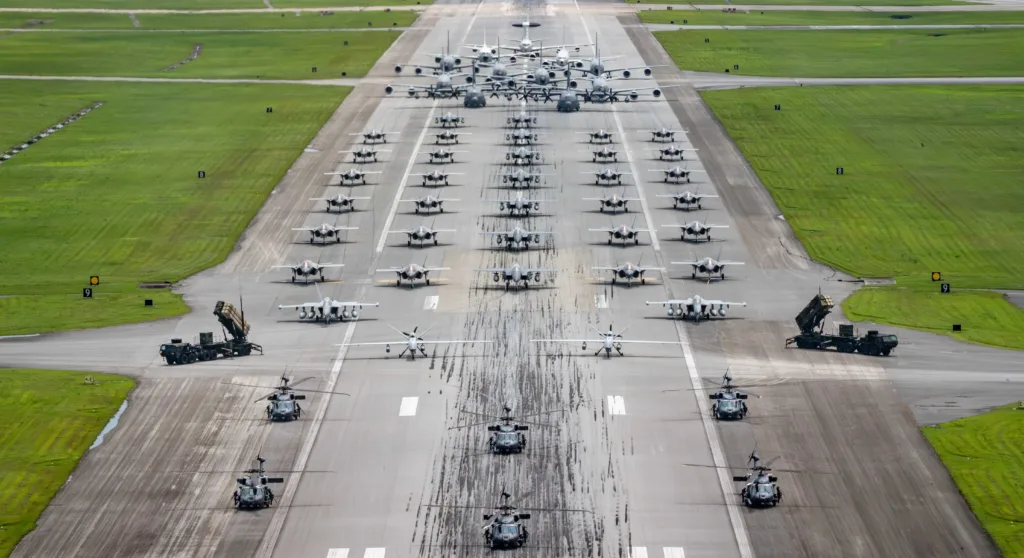
Army aviation contributes heavily with rotary-wing platforms, including the AH-64 Apache, UH-60 Black Hawk, and CH-47 Chinook. The U.S. Navy operates carrier-based aircraft such as the F/A-18 Super Hornet and F-35C, alongside E-2D Hawkeye early warning aircraft.
The Marine Corps adds expeditionary capability with F-35B short takeoff aircraft and MV-22 Osprey tiltrotors. Moreover, the scale and distribution of the U.S. fleet enable global deployment across multiple theatres simultaneously.
In addition, the U.S. continues to invest in unmanned systems, including the MQ-9 Reaper and RQ-4 Global Hawk. These platforms are widely used for surveillance, reconnaissance, and precision strike missions. The integration of unmanned and manned aviation is expected to expand further, particularly with next-generation programs such as Collaborative Combat Aircraft (CCA).
2. Russia – 4,292 Aircraft
- Air Force: 3,944
- Other Branches: 348
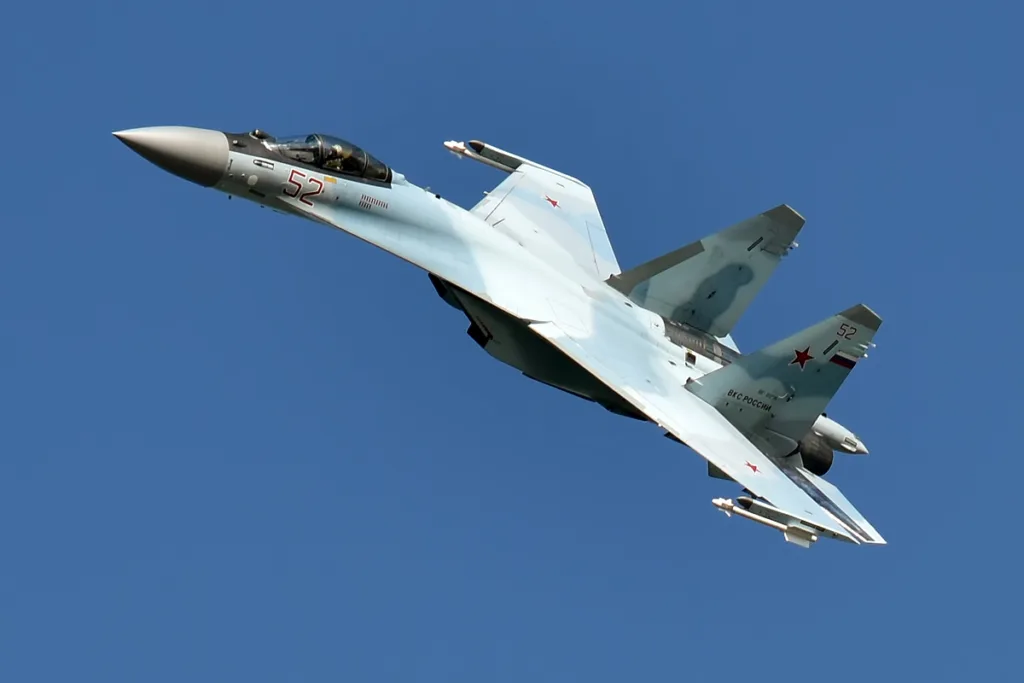
Russia operates the second-largest air fleet, with 4,292 aircraft. The majority are concentrated within the Russian Aerospace Forces, with limited distribution to other branches.
The fighter fleet includes Su-27, Su-30, Su-35, and MiG-29 variants. Russia has also introduced the Su-57, although numbers remain limited. Strategic aviation includes Tu-95, Tu-160, and Tu-22M bombers.
Russia’s transport and logistics fleet remains a key component of its aviation capability, particularly for operations across its large geographic territory. Aircraft such as the Il-76 and An-26 are widely used for troop movement and cargo transport. However, limitations in production capacity and reliance on older airframes continue to affect fleet renewal.
Ground-attack aircraft such as the Su-25 remain central to close air support operations. Russia also operates a large fleet of transport and special mission aircraft, including the Il-76 and An-124.
Another area of focus is Russia’s rotary-wing aviation, which plays a central role in ground support operations. Helicopters such as the Mi-8/17 series are used extensively for transport, while the Ka-52 and Mi-28 provide attack capability. While Russia maintains a large inventory, a portion of the fleet consists of legacy Soviet-era platforms, which impacts availability rates.
3. China – 3,309 Aircraft
- Air Force: 2,014
- Army Aviation: 859
- Naval Aviation: 436
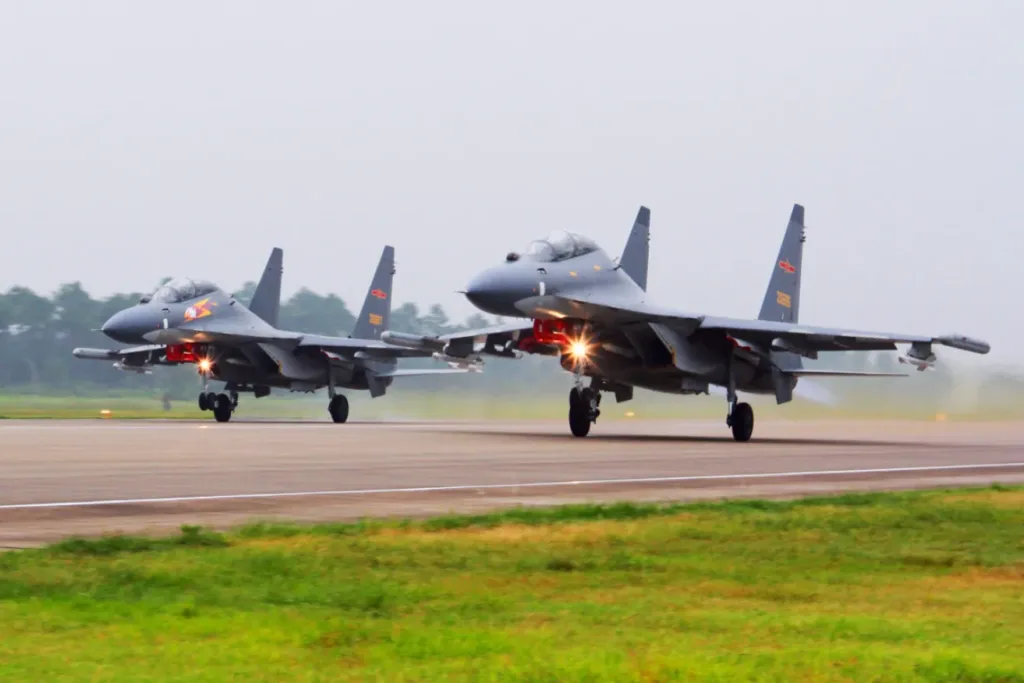
China holds the third position with 3,309 aircraft, supported by rapid modernisation across all branches. The People’s Liberation Army Air Force (PLAAF) accounts for the majority of the fleet, while army and naval aviation continue to expand.
The PLAAF operates a mix of indigenous and Russian-origin aircraft, including the J-10, J-11, and J-16 fighters. The fifth-generation J-20 is being produced at scale and is now a key component of China’s air combat capability.
China’s continued investment in indigenous aerospace manufacturing is a key factor behind its expanding fleet. Aircraft such as the J-20, Y-20, and Z-20 are produced domestically, reducing reliance on foreign suppliers.
Moreover, the Naval branch includes carrier-based J-15 fighters, while the army aviation branch operates helicopters such as the Z-10 attack helicopter and Z-20 utility platform.
China also fields a growing number of support aircraft, including KJ-500 airborne early warning systems and Y-20 transport aircraft. The expansion of aerial refuelling capability is also supporting longer-range operations.
In addition, China is increasing its focus on force projection capabilities. The expansion of aircraft carrier operations and long-range bomber development, including the H-6 and future H-20, indicates a shift beyond regional defence. These developments are supported by improvements in aerial refuelling and strategic transport.
4. India – 2,229 Aircraft
- Air Force: 1,695
- Army Aviation: 276
- Naval Aviation: 258
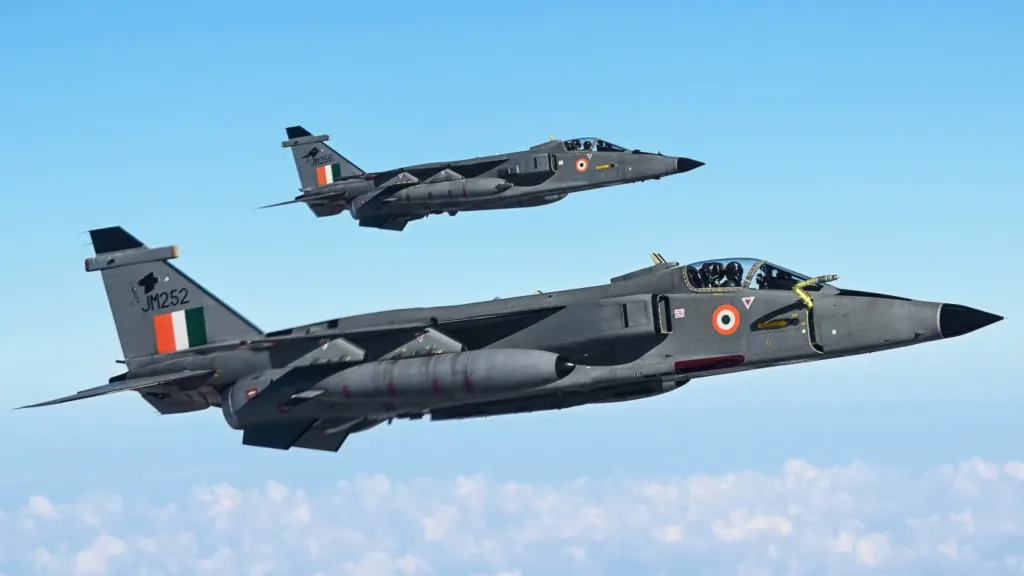
India operates 2,229 military aircraft across three primary branches. The Indian Air Force (IAF) remains the largest component, supported by smaller but growing army and naval aviation units.
The IAF operates a diverse fleet that includes Su-30MKI, Rafale, Mirage 2000, and MiG-29 fighters. The Tejas light combat aircraft is being inducted to replace older platforms such as the MiG-21.
Transport operations include the C-17 Globemaster III, C-130J Super Hercules, and An-32. Helicopter fleets include the HAL Dhruv, Mi-17, and Apache AH-64E.
Naval aviation operates MiG-29K carrier-based fighters and P-8I maritime patrol aircraft. Army aviation continues to expand its helicopter fleet, including light utility and attack helicopters such as the HAL Prachand.
India’s fleet modernisation is focused on replacing ageing Soviet-era aircraft while expanding domestic production. Programs such as the Tejas Mk1A and Advanced Medium Combat Aircraft (AMCA) aim to reduce dependence on imports over the long term. Similarly, another key area is the expansion of force multipliers, including airborne early warning and control systems such as the Netra AEW&C and Phalcon AWACS.
5. South Korea – 1,592 Aircraft
- Air Force: 821
- Army Aviation: 671
- Naval Aviation: 71
- Marine / Other: 29
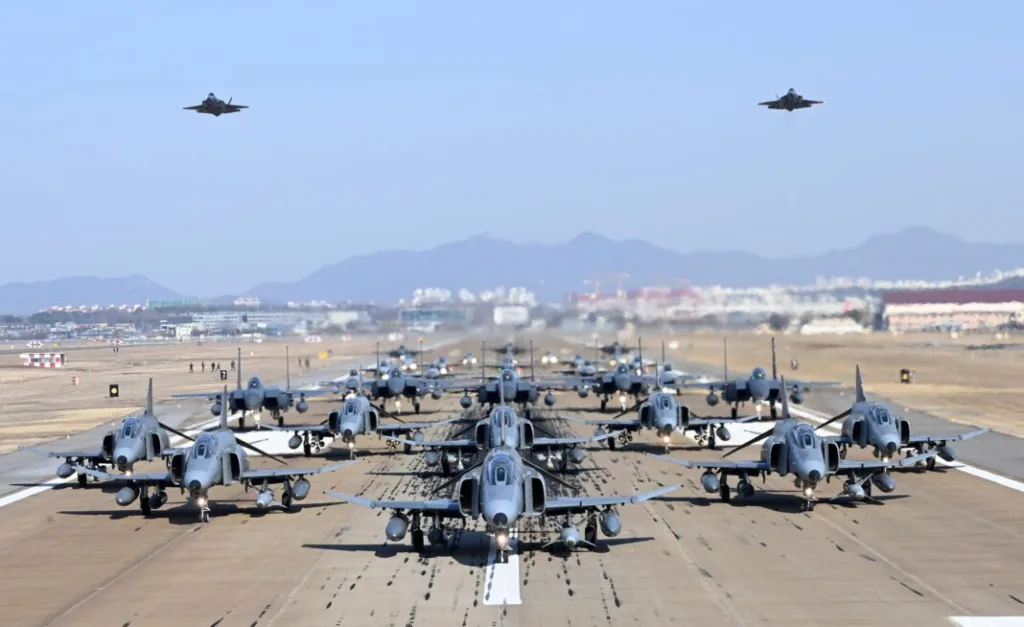
South Korea operates 1,592 aircraft, with a significant portion split between the Air Force and Army aviation units.
The Republic of Korea Air Force operates advanced fighters including the F-35A, F-15K, and KF-16. South Korea’s aviation strategy includes a strong emphasis on domestic development programs. The KF-21 Boramae fighter is a central component of this effort, with plans for large-scale production over the next decade.
Army aviation is heavily focused on rotary-wing platforms, including the AH-64E Apache and KUH-1 Surion helicopters. Naval aviation remains smaller but includes maritime patrol and helicopter assets.
South Korea’s fleet structure is aligned with regional security requirements, with emphasis on rapid response and interoperability with allied forces.
Moreover. the country is also investing in intelligence, surveillance, and reconnaissance capabilities. Platforms such as the RQ-4 Global Hawk provide high-altitude, long-endurance surveillance, improving monitoring capabilities across the Korean Peninsula. These assets complement existing fighter and helicopter fleets.
6. Japan – 1,443 Aircraft
- Air Force: 737
- Army Aviation: 415
- Naval Aviation: 291
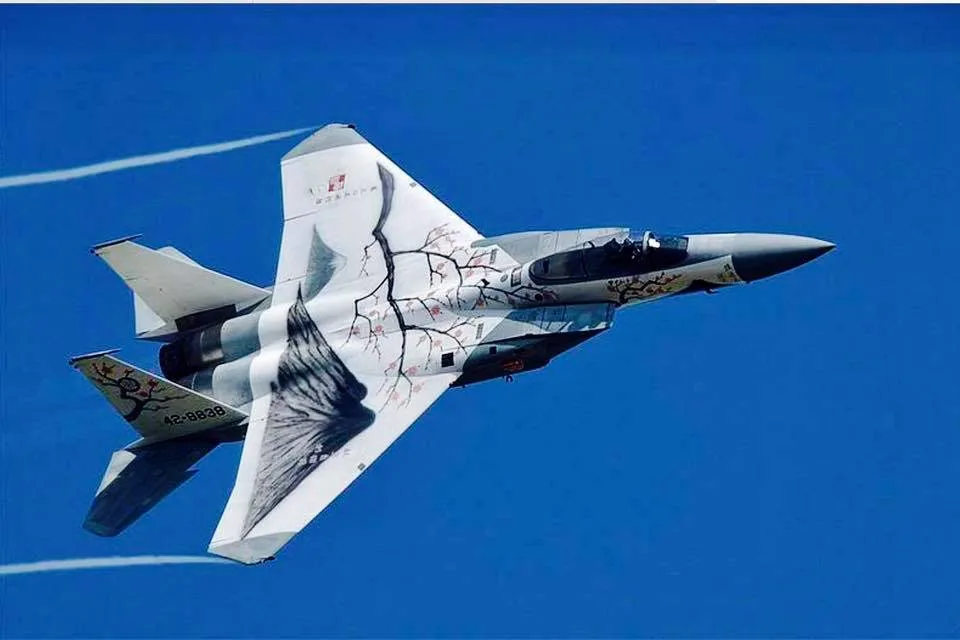
Japan maintains a fleet of 1,443 aircraft across its Self-Defense Forces. The Japan Air Self-Defense Force (JASDF) operates modern fighter aircraft, including the F-35A, F-15J, and F-2. Japan continues to upgrade its fleet through both procurement and domestic development. The expansion of the F-35 program, including both F-35A and F-35B variants, is a key part of this effort. The F-35B will operate from modified Izumo-class vessels, effectively adding carrier-based capability.
Japan is also developing the next-generation FX fighter under the Global Combat Air Programme (GCAP), in partnership with the UK and Italy.
Army aviation includes helicopters such as the AH-64D Apache and UH-60J, while naval aviation operates maritime patrol aircraft like the P-1 and SH-60K helicopters.
Japan’s fleet is focused on airspace defence, maritime surveillance, and rapid response capabilities.
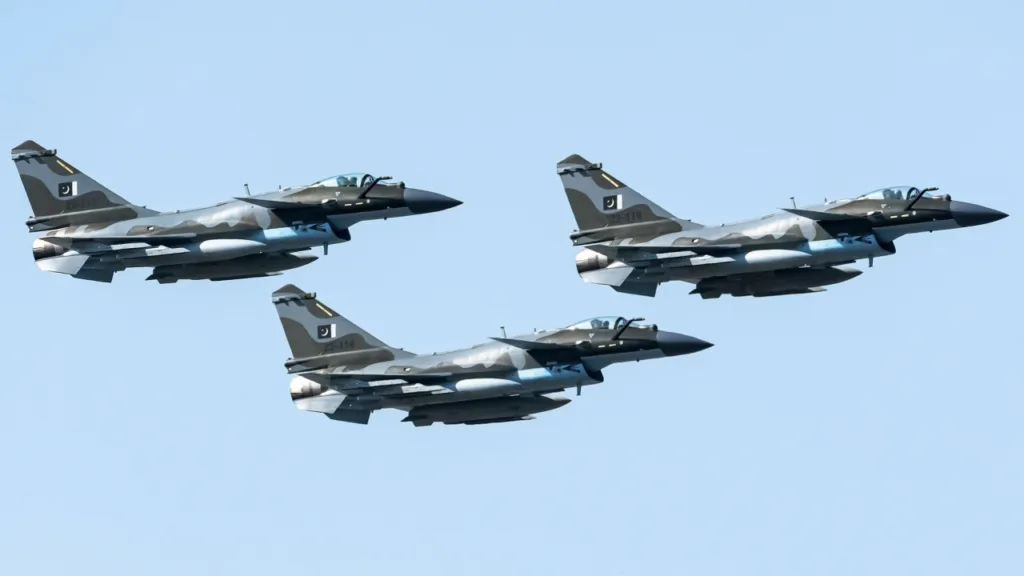
7. Pakistan – 1,399 Aircraft
- Air Force: 802
- Army Aviation: 552
- Naval Aviation: 45
Pakistan operates 1,399 military aircraft, with a strong emphasis on the Pakistan Air Force (PAF).
The fighter fleet includes F-16 Fighting Falcon, JF-17 Thunder, and Mirage III/V aircraft. The JF-17, developed jointly with China, forms the backbone of the fleet and continues to be upgraded.
Army aviation operates helicopters such as the AH-1 Cobra and Mi-17, supporting ground operations. Naval aviation remains limited, focusing on maritime patrol and reconnaissance.
Pakistan’s fleet reflects a mix of legacy Western aircraft and newer Chinese-origin platforms. The country is also expanding its use of unmanned aerial systems. These platforms are used for surveillance and limited strike roles, supporting both air force and ground operations.
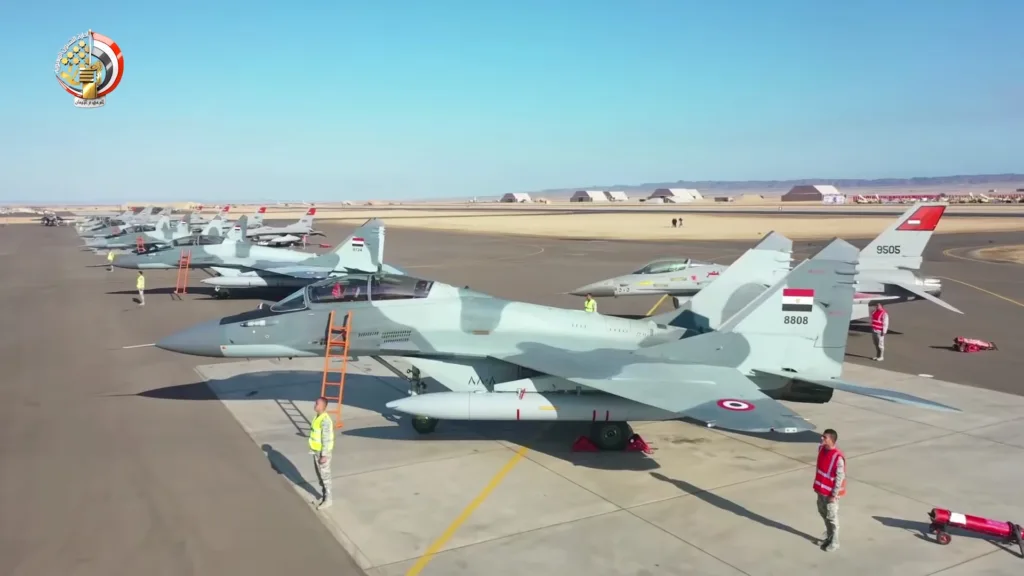
8. Egypt – 1,093 Aircraft
- Air Force: 1,093
Egypt’s entire fleet of 1,093 aircraft is concentrated within the Egyptian Air Force, with minimal aviation assets in other branches.
The fighter fleet includes F-16 Fighting Falcon, Rafale, and MiG-29M aircraft. Egypt also operates Mirage 2000 and older platforms in smaller numbers.
Transport aircraft include the C-130 Hercules, while helicopter fleets include the AH-64 Apache and CH-47 Chinook. These are used for border security, counter-terrorism, and support operations.
Egypt’s structure is more centralised compared to other countries, with the air force handling most aviation roles.
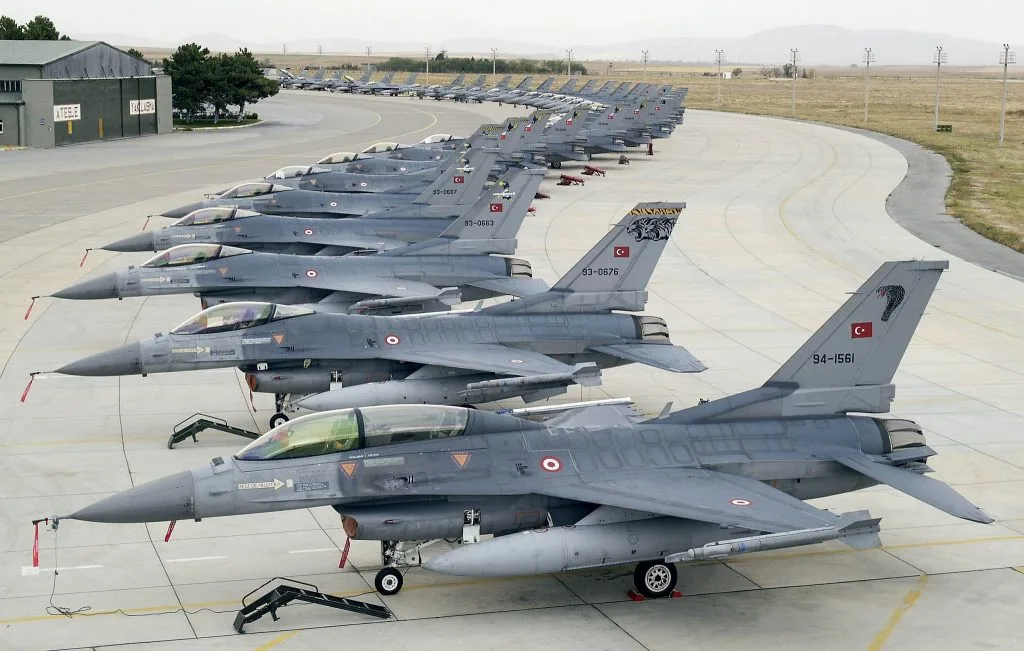
9. Turkey – 1,083 Aircraft
- Air Force: 623
- Army Aviation: 413
- Naval Aviation: 47
Turkey operates 1,083 aircraft, with a balanced distribution between air force and army aviation units.
The Turkish Air Force operates F-16 Fighting Falcon aircraft as its primary fighter platform. It is undergoing a transition towards greater self-reliance. In addition to the KAAN fighter program, the country is developing indigenous trainers, helicopters, and unmanned systems. This approach aims to reduce dependency on foreign suppliers.
Army aviation includes helicopters such as the T129 ATAK and UH-60 Black Hawk. Naval aviation operates maritime helicopters and patrol aircraft.
Turkey is increasingly focusing on domestic aerospace development, including unmanned aerial systems such as the Bayraktar TB2 and Akinci. Platforms such as the Bayraktar TB2 and Akinci are widely deployed and have been exported to multiple countries. These systems provide surveillance and strike capability at lower operational cost.
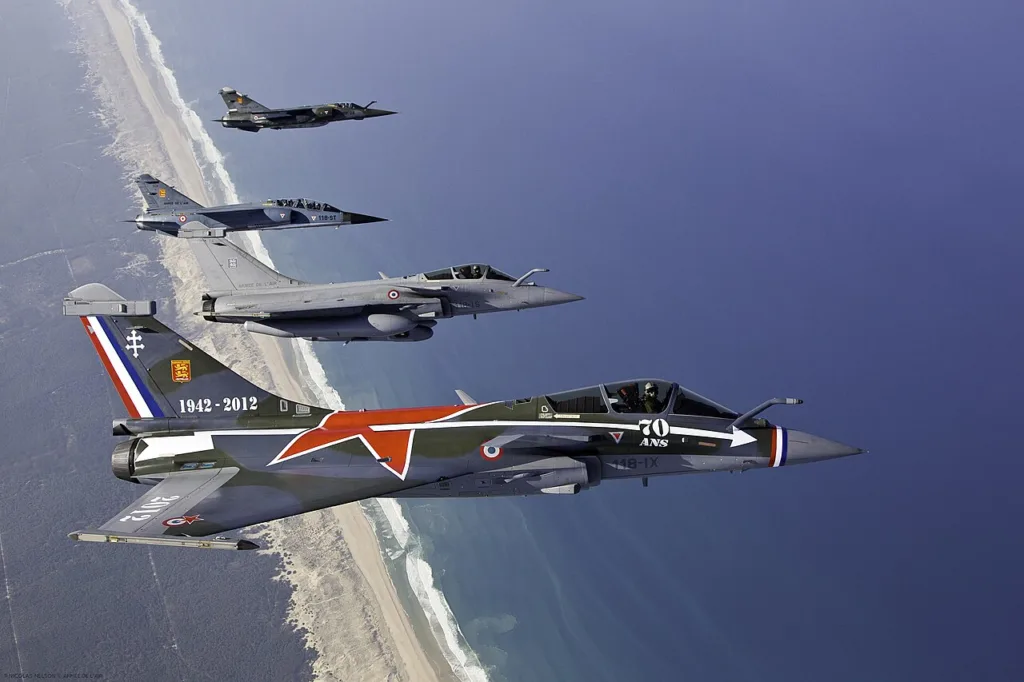
10. France – 976 Aircraft
- Air Force: 494
- Army Aviation: 312
- Naval Aviation: 170
France rounds out the top 10 with 976 aircraft across its armed forces. France’s aviation capability is supported by a strong industrial base, led by companies such as Dassault Aviation and Airbus. This enables continuous development and upgrade of platforms like the Rafale, which serves both air force and naval aviation roles.
The French Air and Space Force operates Rafale and Mirage 2000 fighters, alongside A400M Atlas transport aircraft and A330 MRTT refuelling aircraft.
Naval aviation operates Rafale M fighters from aircraft carriers, while army aviation includes helicopters such as the Tiger attack helicopter and NH90.
France maintains a balanced and modern fleet, with strong emphasis on expeditionary capability and overseas operations.
Bottom Line – Largest Air Forces in 2026
The largest air forces in the world in 2026 highlight significant differences in structure, scale, and operational focus.
| Rank | Country | Total Aircraft | Air Force Aircraft | Army Aircraft | Naval Aircraft | Marine/Other Aircraft |
|---|---|---|---|---|---|---|
| 1 | United States | 13,043 | 4,875 | 4,367 | 2,484 | 1,317 |
| 2 | Russia | 4,292 | 3,944 | — | 348 | — |
| 3 | China | 3,309 | 2,014 | 859 | 436 | — |
| 4 | India | 2,229 | 1,695 | 276 | 258 | — |
| 5 | South Korea | 1,592 | 821 | 671 | 71 | 29 |
| 6 | Japan | 1,443 | 737 | 415 | 291 | — |
| 7 | Pakistan | 1,399 | 802 | 552 | 45 | — |
| 8 | Egypt | 1,093 | 1,093 | — | — | — |
| 9 | Turkey | 1,083 | 623 | 413 | 47 | — |
| 10 | France | 976 | 494 | 312 | 170 | — |
Unsurprisingly, the United States remains unmatched in total fleet size, supported by a multi-branch aviation structure. Russia and China continue to maintain large inventories, although with different approaches to modernisation. Countries such as India, South Korea, and Japan show balanced growth across services, while others like Egypt operate more centralised fleets.
Fleet size alone does not define combat capability, but it remains a key metric for assessing global air power. As modernisation programs continue and next-generation aircraft enter service, the lower order rankings may shift, particularly among countries investing in domestic aerospace industries.
Please join our Telegram Channel for the latest aviation updates.
Sources: World Population Review, Wikipedia
