

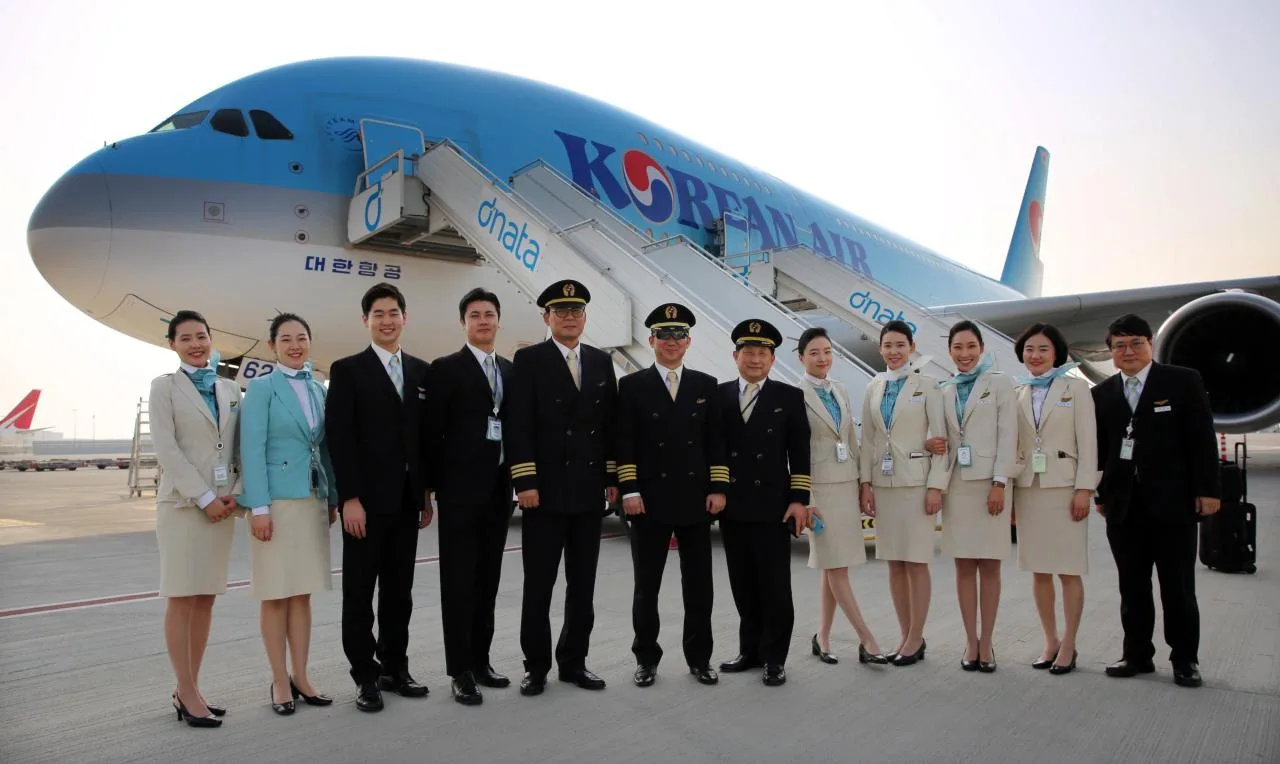
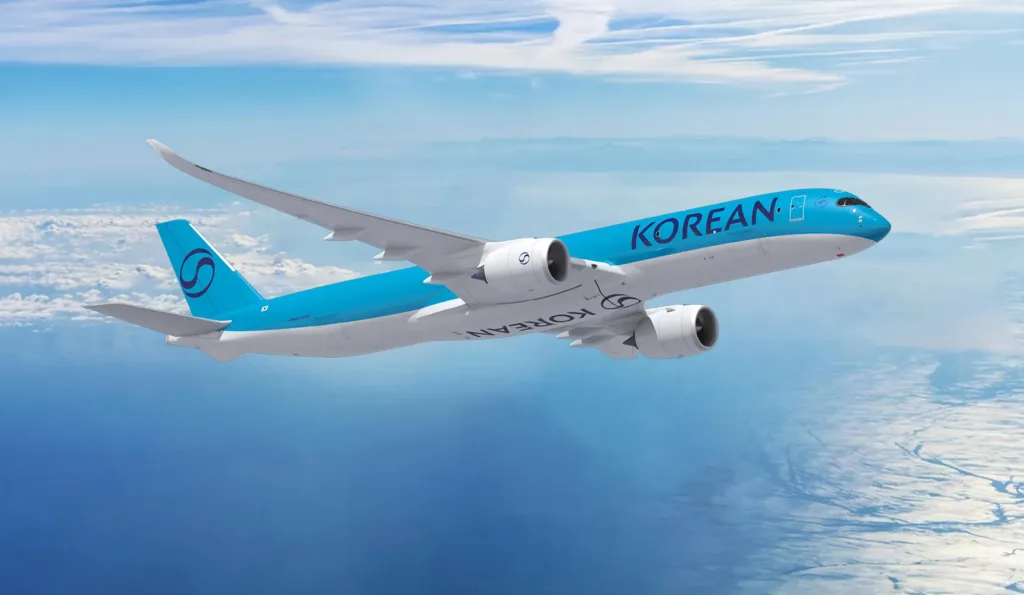
Korean Air (KE) is widely viewed as one of the more disciplined and structured airlines in Asia, with a flight-operation culture built around precision, safety and strong hierarchy. Pilots joining the airline often mention that the environment feels organised and strict at first, but it becomes comfortable once you adapt to the working rhythm.
The South Korean flag carrier has grown significantly over the last decade, helped by expanding long-haul routes and a modern fleet, and pilots usually describe the career as stable, well-paid and technically rewarding, especially with the emphasis the airline places on high training standards.
As of 2026, Korean Air pilot salary structures remain competitive within Asia, especially when allowances, long-haul pay, and benefits are included. While Korean taxation reduces net take-home pay compared to tax-free Middle Eastern airlines, overall compensation remains attractive for pilots seeking long-term security at a legacy carrier.
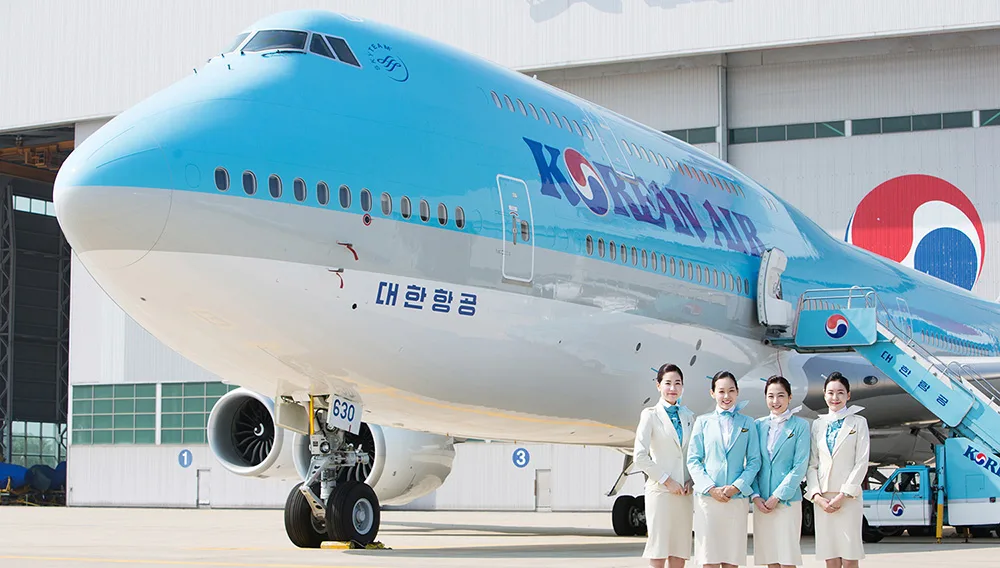
Korean Air Pilot Salary Overview
Korean Air pilot salary varies based on rank, seniority, aircraft type, and monthly flying hours. Compensation is made up of a structured base salary, flight pay, international allowances, and additional duty-related payments.
In 2026, a First Officer typically earns a base salary of ₩6.8–8.1 million per month (US$5,000–5,950). When flight pay and allowances are included, total monthly earnings usually rise to ₩8.5–10.5 million (US$6,250–7,700).
A Captain earns substantially more, with base pay in the range of ₩13.5–16 million per month (US$9,900–11,700). Including international allowances and long-haul flying pay, monthly earnings commonly reach ₩17.5–20 million (US$12,800–14,700). Senior wide-body Captains operating aircraft such as the Boeing 777, Airbus A350, or Boeing 787 may exceed these figures during high-utilisation months.
Korean Air First Officer Salary
Korean Air First Officers follow a highly structured and seniority-based pay system. Progression is predictable, with upgrades and salary increases driven primarily by experience, internal evaluations, and fleet assignment rather than aggressive bidding.
| Pay Component | Amount (KRW) | Approx. USD |
|---|---|---|
| Base Salary | ₩6.8–8.1 million | US$5,000–5,950 |
| Flight Pay | ₩1.2–2.0 million | US$880–1,470 |
| Overseas / Long-haul Allowance | ₩0.5–1.0 million | US$370–735 |
| Misc. Duty Pay | ₩0.2–0.4 million | US$150–295 |
| Total Monthly | ₩8.5–10.5 million | US$6,250–7,700 |
On an annual basis, this places Korean Air First Officer earnings at approximately ₩100–125 million per year (US$73,000–91,500). Actual totals depend on fleet assignment, international sector frequency, and monthly flying hours.
While this compensation may appear modest compared to tax-free Gulf carriers, Korean Air First Officers benefit from exceptional job stability, structured career progression, and strong long-term earning visibility.
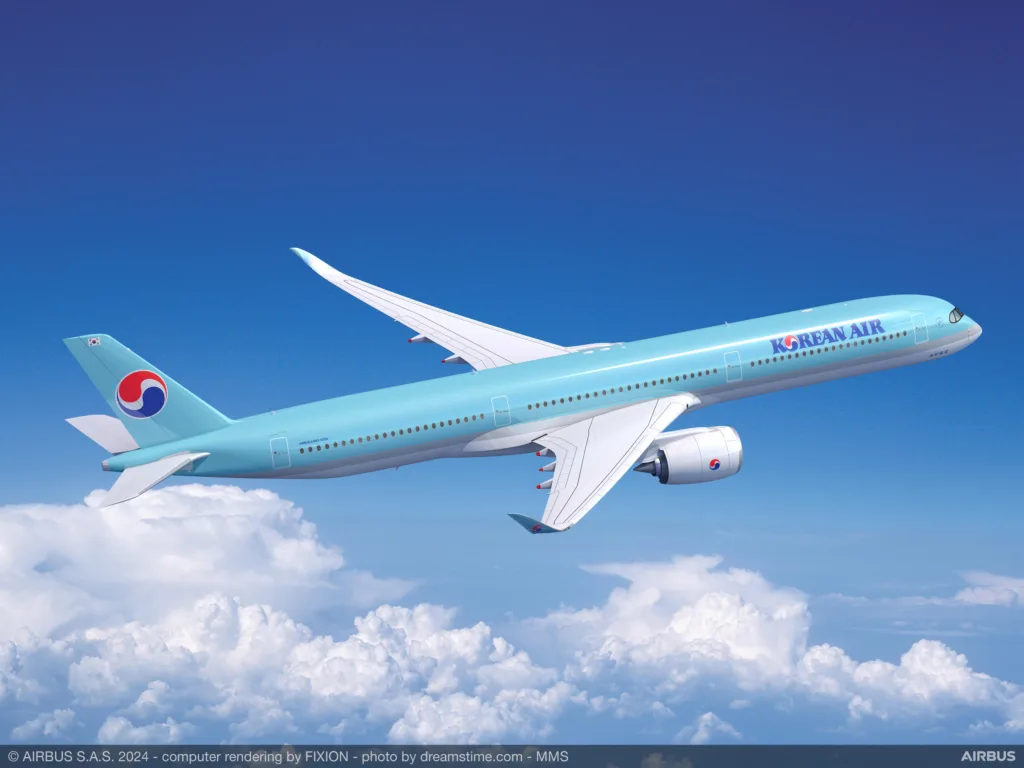
Korean Air Captain Salary
Captains at Korean Air (KE) enjoy one of the region’s more predictable pay systems. Seniority matters greatly, and long-haul months usually produce the highest totals. Earnings increase steadily with experience, and long-haul operations significantly boost total monthly income.
A typical monthly Captain package includes:
| Pay Component | Amount (KRW) | Approx. USD |
|---|---|---|
| Base Salary | ₩13.5–16.0 million | US$9,900–11,700 |
| Flight Pay | ₩2.5–4.0 million | US$1,830–2,930 |
| International Allowances | ₩1.2–1.8 million | US$880–1,320 |
| Total Monthly | ₩17.5–20.0 million | US$12,800–14,700 |
Annually, Korean Air Captain salary typically ranges from ₩210–240 million (US$154,000–176,000). Highly senior Captains flying wide-body long-haul aircraft may earn slightly more, particularly during months with heavy international duty.
Korean Air’s Captain pay structure is especially appealing to pilots who value predictability, structured seniority, and long-term employment security over short-term maximisation.
Benefits of Flying for Korean Air
1. Job Stability and Career Longevity
Korean Air is known for its low pilot turnover, steady management and long-term employment culture. Many pilots remain with the airline for decades, progressing steadily through narrow-body and wide-body fleets.
2. World-Class Training Standards
Pilots receive high-quality simulator training and recurrent checks, reinforcing skills that remain valuable anywhere in the world. Korean Air training credentials are widely respected across the global aviation industry.
3. Travel Benefits
Crew enjoy reduced-rate travel on Korean Air and partner airlines, which is particularly useful for traveling across Asia, North America, and Europe.
4. Housing and Family Support
Depending on the pilot’s rank and contract, the airline provides housing assistance, family travel perks and medical coverage, contributing to overall lifestyle stability.
5. Clear Career Progression
Upgrade paths to wide-body aircraft, training roles, and senior command positions are clearly defined, allowing pilots to plan long-term careers with confidence.

Requirements to Become a Korean Air Pilot
To join Korean Air, pilots must meet strict operational and regulatory standards, reflecting the airline’s emphasis on discipline and safety.
Key requirements include:
- Valid ATPL or CPL with frozen ATPL
- Minimum flight hour requirements (varies by entry level)
- ICAO Class 1 medical
- English ICAO Level 4+
- Strong CRM and communication capability
- Ability to pass Korean Air’s behavioural and technical assessments
Moreover, Korean language proficiency is helpful but not mandatory for foreign pilots.
Korean Air Hiring Process
The Korean Air pilot recruitment process follows a structured, multi-stage evaluation designed to assess both technical competence and professional aptitude:
- Online Application Submission
Candidates begin by submitting an online application along with required documents, including licenses, medical certification, and flight experience records. - Document Screening & Technical Assessment
Applications are reviewed, followed by a technical knowledge evaluation covering aircraft systems, procedures, and operational decision-making. - Simulator Evaluation
Shortlisted pilots undergo a simulator assessment, usually on an aircraft type similar to their previous experience. This stage focuses on decision-making, situational awareness, workload management, and adherence to SOPs rather than raw flying skill alone. - Company Interview
Successful candidates attend a formal interview assessing CRM philosophy, safety mindset, professionalism, and cultural alignment with Korean Air’s operational standards. - Medical Examination & Background Checks
The final stage includes comprehensive medical testing and background verification before a formal employment offer is issued.
Overall, while the hiring process is detailed and rigorous, many pilots describe it as fair, transparent, and professionally conducted, especially for candidates who prepare thoroughly.
Korean Air Fleet in 2026
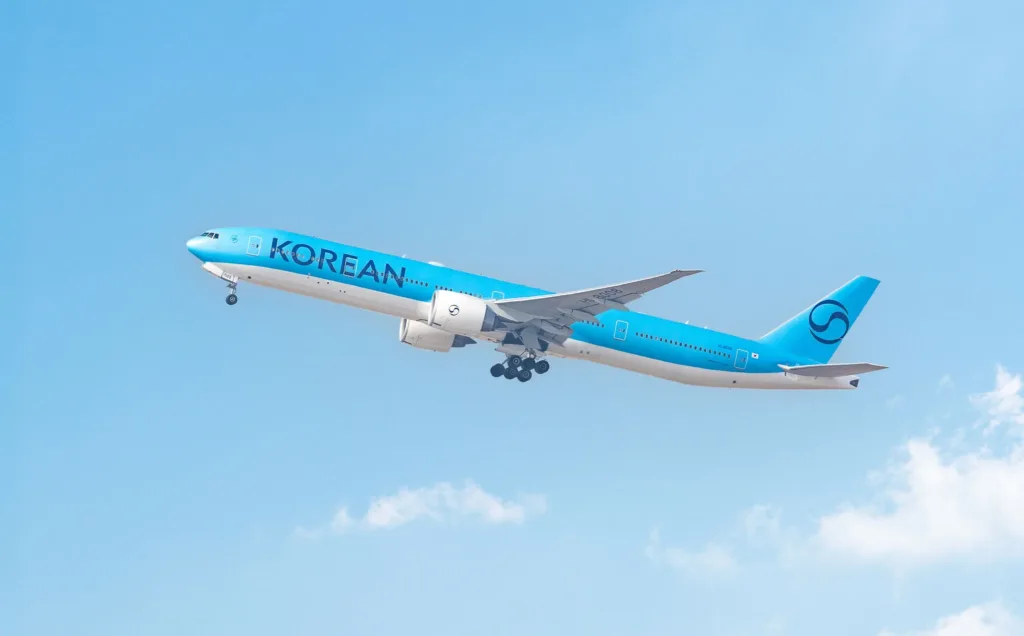
Korean Air operates one of the most diverse and modern fleets in Asia, spanning short-haul narrowbodies, long-haul widebodies, and a dedicated cargo operation. As of February 2026, the airline has over 135 passenger aircraft in service, with a substantial pipeline of new-generation Airbus and Boeing jets on order.
For pilots, this fleet mix translates into clear progression opportunities, from narrowbody domestic flying to long-haul widebody operations on aircraft such as the Boeing 777, 787, and Airbus A350. The airline’s long-term fleet strategy also plays a direct role in salary progression, command timelines, and widebody upgrade opportunities, all key considerations when evaluating Korean Air pilot salary potential.
Korean Air is in the middle of a long-term renewal cycle, gradually retiring older aircraft while adding fuel-efficient models such as the A321neo, A350, and Boeing 737 MAX family. At the same time, the carrier continues to invest heavily in widebody growth with large outstanding orders for the Boeing 777-9, 787-10, and Airbus A350-1000, ensuring fleet stability well into the next decade.
| Aircraft Type | In Service | On Order | Fleet Role & Comments |
|---|---|---|---|
| Airbus A220-300 | 10 | — | Regional and short-haul routes; modern entry-level narrowbody |
| Airbus A321neo | 19 | 37 | Core short- to medium-haul aircraft; major growth platform |
| Airbus A330-300 | 17 | — | Medium-haul widebody; gradual phase-down expected |
| Airbus A350-900 | 2 | 4 | New-generation long-haul aircraft; deliveries began 2025 |
| Airbus A350-1000 | — | 20 | Future flagship widebody; long-haul and high-capacity routes |
| Airbus A380-800 | 6 | — | High-capacity trunk routes; retirement previously planned but postponed |
| Boeing 737-800 | 2 | — | Legacy narrowbody; limited remaining role |
| Boeing 737-900 / 900ER | 15 | — | Domestic and regional Asia operations |
| Boeing 737 MAX 8 | 6 | 11 | New-generation narrowbody; efficiency-driven replacement |
| Boeing 737 MAX 10 | — | 62 | High-capacity narrowbody; major future narrowbody fleet |
| Boeing 747-8I | 4 | — | Iconic flagship aircraft; includes last passenger 747 ever built |
| Boeing 777-300 | 4 | — | Legacy widebody; nearing retirement |
| Boeing 777-300ER | 25 | — | Long-haul backbone; premium-heavy international routes |
| Boeing 777-9 | — | 40 | Next-generation flagship; deliveries from 2028 |
| Boeing 787-9 | 14 | 6 | Long-haul widebody; fuel-efficient network expansion |
| Boeing 787-10 | 12 | 53 | High-capacity Dreamliner; major growth aircraft |
| Total | 136 | 233 |
Korean Air Cargo Fleet in 2026
Korean Air also operates one of the largest and most profitable cargo fleets in Asia, which plays a critical role in the airline’s overall financial stability — indirectly supporting long-term pilot job security.
| Aircraft Type | In Service | On Order | Notes |
|---|---|---|---|
| Airbus A350F | — | 7 | New-generation freighter; future cargo flagship |
| Boeing 747-400ERF | 4 | — | Legacy freighter |
| Boeing 747-8F | 7 | — | High-capacity long-haul cargo |
| Boeing 777F | 12 | — | Core cargo workhorse |
| Boeing 777-8F | — | 8 | Next-generation freighter; deliveries from 2030 |
| Total | 23 | 15 |
FAQs – Korean Air Pilot Salary
A Korean Air First Officer typically earns ₩8.5–10.5 million per month (US$6,250–7,700) including flight pay and allowances. On an annual basis, this translates to approximately ₩100–125 million (US$73,000–91,500), depending on fleet type, international flying, and monthly hours.
Korean Air Captains earn around ₩17.5–20.0 million per month (US$12,800–14,700). Annually, Captain salary usually ranges between ₩210–240 million (US$154,000–176,000), with senior wide-body Captains occasionally earning more during heavy long-haul schedules.
A newly hired Korean Air First Officer typically starts with a total monthly package of around ₩8.5 million (US$6,250). Earnings increase steadily with experience, fleet assignment, and international flying exposure.
Please join our Telegram Channel for the latest aviation updates.
