
Delta First Class upgrade for just $26 has shocked frequent flyers and reignited the debate over loyalty programs in the airline industry. Delta Air Lines (DL) has been quietly selling First Class upgrades for less than the cost of an airport meal, signalling a major shift in how airlines value loyalty versus short-term revenue.
A passenger traveling from Chicago O’Hare (ORD) to Detroit (DTW) recently discovered the ultra-cheap offer only minutes after booking a Main Cabin seat. The price difference between First Class and economy was a mere $26.77, according to reports first shared by View from the Wing. For context, that’s less than the cost of a checked bag on many airlines, and a fraction of what elite Delta SkyMiles members spend annually to earn upgrade privileges.
This surprising fare difference has highlighted an uncomfortable truth: even loyal Delta flyers, including Diamond Medallions, are finding their upgrades increasingly rare. As Delta shifts focus toward monetizing every available seat, the meaning of loyalty in the SkyMiles program appears to be fading fast.
Delta’s Changing Upgrade Policy
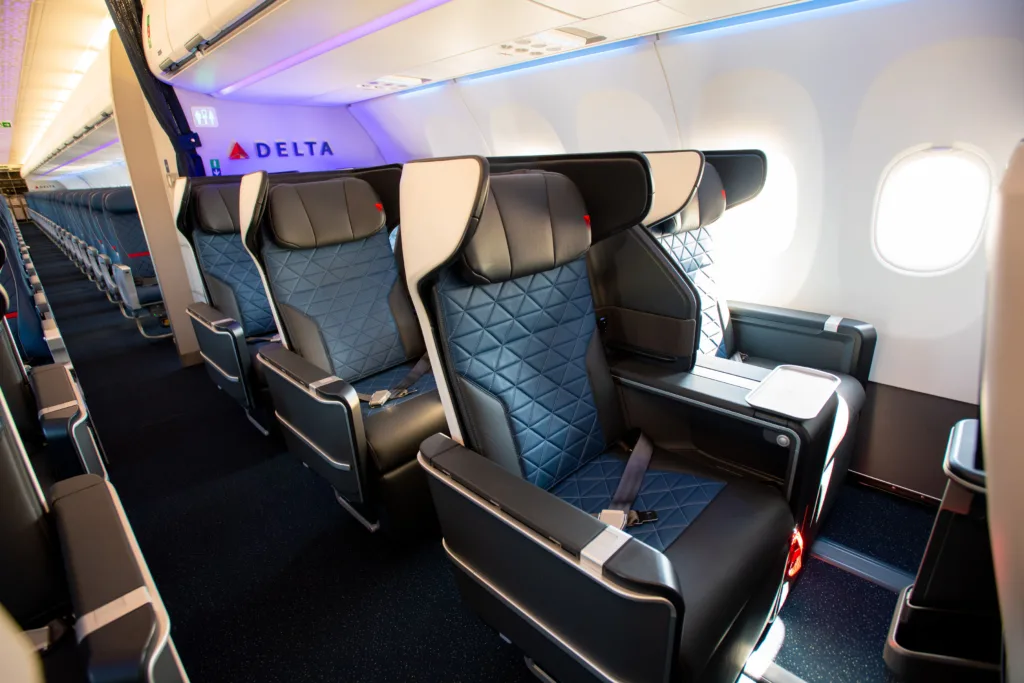
Historically, Delta Air Lines built loyalty through complimentary First Class upgrades, a signature perk that kept frequent travelers returning year after year. For decades, elite members could count on being rewarded with upgrades for their spending and loyalty. But the landscape has changed dramatically.
Today, only 12% of Delta’s First Class seats are allocated to complimentary upgrades. In contrast, 81% of premium seats were once filled through upgrades, award tickets, or employee use just 15 years ago. That shift reflects Delta’s evolving revenue model, where every seat has a price tag.
Instead of rewarding elite members with free First Class seats, Delta now offers discounted “buy-up” options immediately after ticket purchase, often for as little as $20 to $40. For travelers without elite status, it’s a chance to enjoy premium comfort at a bargain. But for those who’ve spent $10,000–$30,000 per year with the airline, it sends a very different message: loyalty is worth less than $26.
A Strategy That Redefines Loyalty
The Delta First Class upgrade trend reveals a deeper strategic shift in how airlines view passenger value. Delta and its peers have realized that immediate, small payments can often yield more revenue than long-term loyalty. A $26 buy-up multiplied across thousands of passengers quickly adds up, even if it frustrates elite travelers who’ve come to expect complimentary upgrades.
From a financial standpoint, this strategy makes sense. Every empty premium seat represents lost potential revenue, especially when airlines face narrow profit margins and fluctuating demand. But from a loyalty perspective, it risks eroding the trust and goodwill built over decades of frequent flyer programs.
As one aviation analyst put it, Delta’s approach shows that the airline “values $26 today more than years of repeat business later.” It’s an unsettling realization for customers who once viewed elite status as a guaranteed ticket to comfort.
How Travelers Can Take Advantage
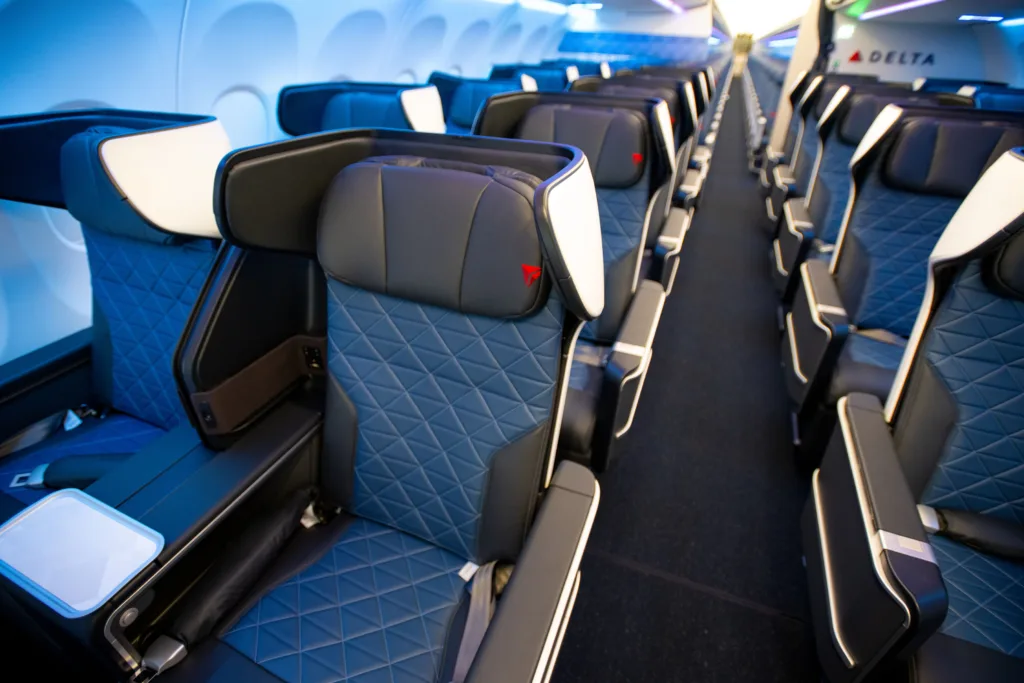
Despite the frustration among loyal customers, this shift creates new opportunities for savvy travelers. With the Delta First Class upgrade available immediately after booking, passengers can adopt a flexible strategy to secure cheap premium seats.
Travelers can book an economy ticket, wait for a discounted upgrade offer to appear (often within minutes), and then decide whether to accept it. If no deal appears, most fares can be canceled within 24 hours for a full refund, allowing travelers to rebook directly into First Class or try again later.
This approach works especially well now that Delta, like most major U.S. airlines, has eliminated change fees on most fare types. The flexibility means passengers can chase upgrade deals without risking additional costs, a win for those who prioritize comfort without paying full fare.
The Decline of Loyalty Programs
The Delta First Class upgrade phenomenon underscores a broader industry shift: airline loyalty no longer guarantees luxury. Status now provides mostly practical perks, priority boarding, waived baggage fees, and extra legroom in coach rather than guaranteed First Class access.
Mid-tier status may now represent the “sweet spot” for most travelers, offering enough comfort without the heavy spending needed to reach top-tier levels. For elite flyers, the downgrade in upgrade value raises tough questions about whether loyalty programs are still worth the effort.
At the same time, airlines are doubling down on immediate revenue. Offering a cheap upgrade to any passenger, regardless of loyalty, provides predictable income and reduces empty seats in premium cabins. For airlines like Delta, this is a short-term win, but potentially a long-term risk if frequent flyers take their business elsewhere.
Bottom Line – Delta First Class Upgrade
The Delta First Class upgrade for just $26 is a perfect example of how airlines are redefining loyalty in 2025. What was once a hard-earned privilege is now a low-cost add-on available to anyone. For Delta, this may be a smart way to monetize unused capacity. For passengers, it’s a reminder that the rules of loyalty have changed, perhaps permanently.
As Delta sells First Class seats for less than the price of an airport sandwich, one thing is clear: in today’s airline economy, cash trumps loyalty.
Please join our Telegram Channel for the latest aviation updates.
