

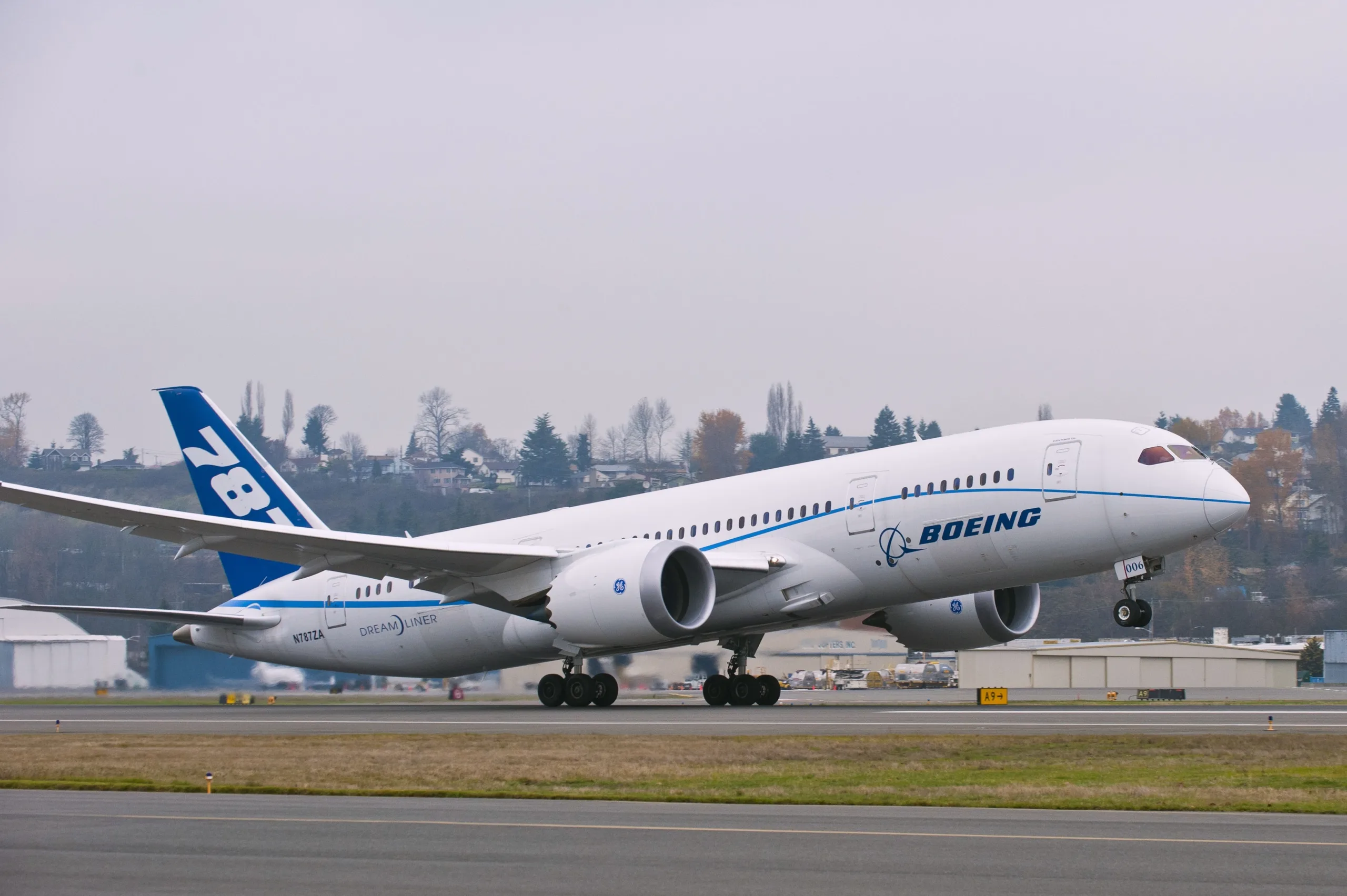
Boeing has retired its final 787-8 test aircraft, closing a significant chapter in the development of one of aviation’s most transformative widebody programs. The Boeing 787-8 test aircraft with registration ZA004, spent more than 15 years supporting certification, performance upgrades, and propulsion testing before being decommissioned in February 2026.
The aircraft first flew on February 24, 2010, and was celebrated in an internal Boeing ceremony before its departure from Boeing Field. It is expected to be transferred to long-term storage at Pinal Airpark in Arizona, marking the end of its operational life as a development platform.
With its retirement, Boeing concludes the active service of the last Dreamliner test jet that helped shape the aircraft’s performance and reliability.
Moreover, the aircraft’s final ferry flight will reportedly operated by Captains Heather Ross and Craig Bomben, the same Boeing test pilots who flew ZA004 on its maiden flight in 2010. Boeing has not confirmed long-term plans for the airframe after it enters storage at Pinal Airpark, leaving open the possibility of preservation, parts use, or eventual retirement.
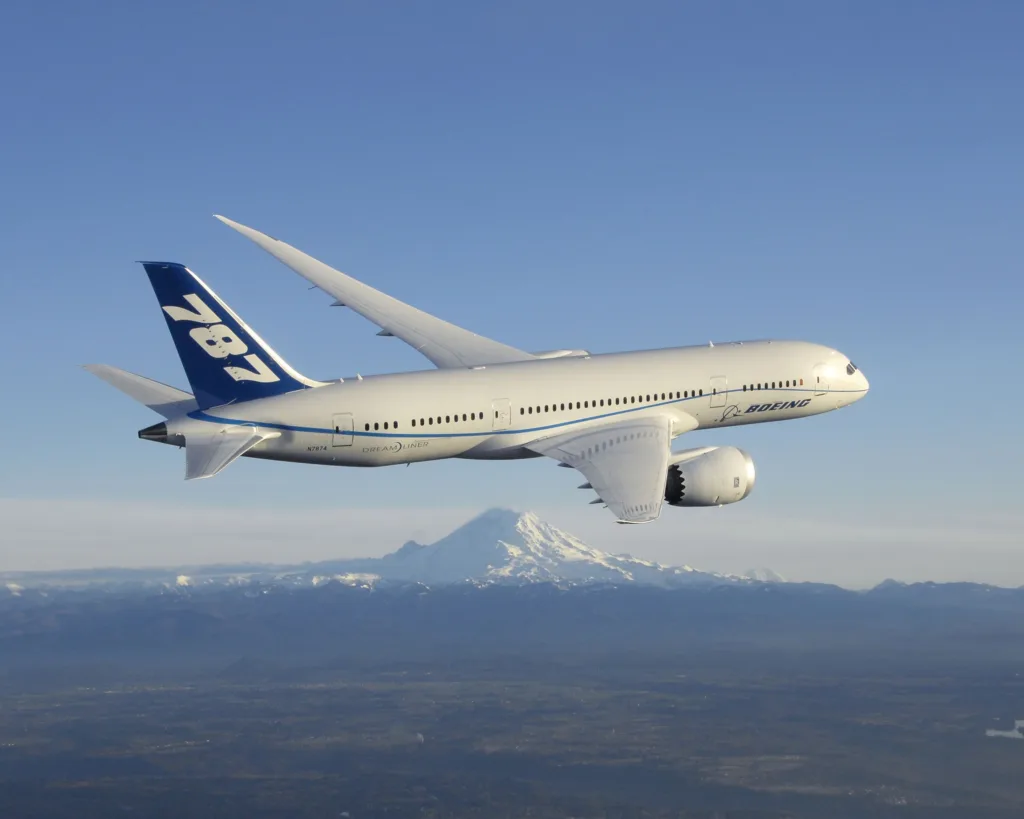
ZA004’s Journey
ZA004 was not originally intended to become a Boeing 787 test aircraft. The jet entered final assembly in Everett, Washington, in 2008 and was initially scheduled for delivery to Northwest Airlines as part of an early Dreamliner order.
However, following Northwest’s merger with Delta Air Lines and continued delays in the 787 program, the aircraft’s future changed. Instead of entering commercial service, it joined Boeing’s flight test fleet and became a dedicated aircraft for development and certification work.
Over time, ZA004 evolved into one of the most important experimental aircraft in the Dreamliner program, supporting improvements that would directly affect airline operations and long-haul efficiency.
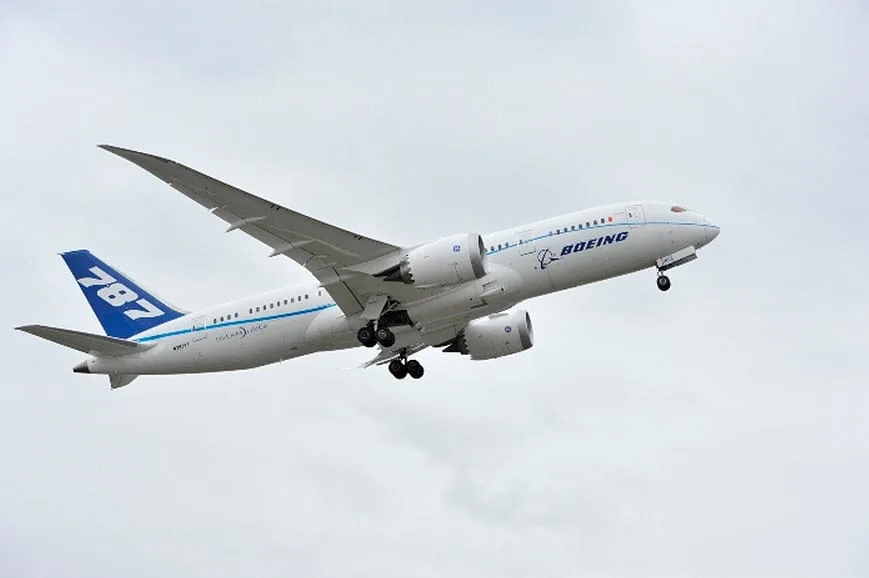
Role of the Boeing 787 Test Aircraft in Engine Development
This Boeing 787-8 test aircraft played a central role in propulsion testing, particularly involving the Rolls-Royce Trent 1000 engine family. Early testing focused on fuel efficiency, emissions reduction, and performance optimization, aligning with the Dreamliner’s core objective of lowering airline operating costs.
In recent years, ZA004 supported durability enhancements under the Trent 1000 XE initiative. The program aims to significantly extend engine time on wing, improve reliability, and reduce maintenance disruptions for airlines operating the 787.
Certification work conducted on the Boeing 787 test aircraft has been critical in preparing for the next phase of engine improvements expected to enter airline service. These upgrades highlight how the aircraft continued contributing to operational performance long after the initial certification phase.
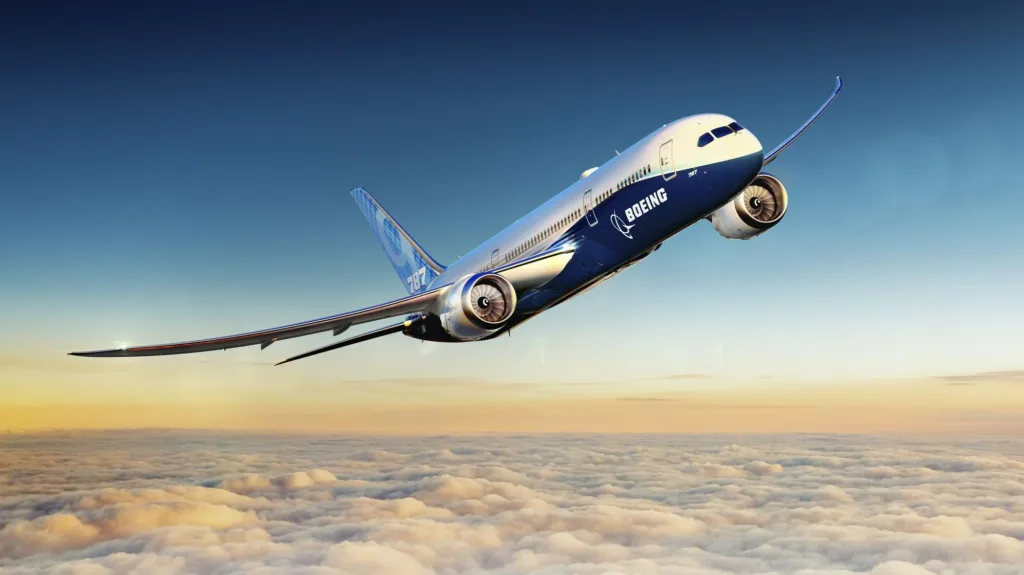
Why the 787 Dreamliner Changed Long-Haul Aviation?
The Boeing 787 test aircraft contributed to a program that fundamentally reshaped airline economics and long-haul strategy. The Dreamliner introduced advanced aerodynamics, lightweight composite structures, and highly efficient engines designed to reduce fuel consumption and maintenance costs.
Around half of the aircraft’s structure uses carbon-fiber composites, reducing weight and corrosion while improving durability. These engineering advancements help airlines achieve significantly lower operating costs compared with older widebody aircraft.
The Dreamliner’s range and efficiency enable airlines to open new long-haul routes that were previously considered financially risky. Instead of relying solely on large hub-to-hub operations, carriers can now connect secondary cities directly across continents.
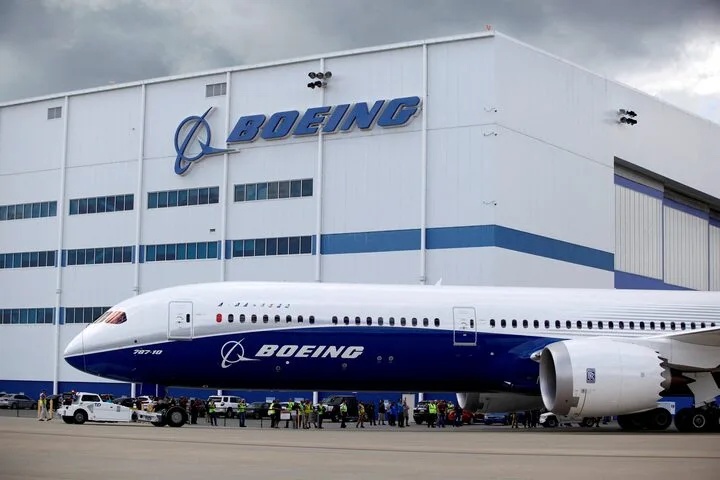
Global Impact of the Dreamliner Fleet
Today, the Dreamliner fleet has become one of the most influential widebody programs in modern aviation. More than 1,200 aircraft are in service globally, carrying hundreds of thousands of passengers every day and linking destinations across more than 85 countries.
The aircraft has transported over a billion passengers and enabled hundreds of new nonstop routes that previously required connections. This network flexibility has allowed airlines to expand internationally while maintaining strong cost discipline.
For passengers, the Dreamliner introduced improved cabin pressurization, larger windows, and quieter interiors. Moreover, it enhanced long-haul comfort and redefining expectations for mid-size widebody travel.
The End of an Era
The retirement of ZA004 marks the final chapter for the Boeing 787 test aircraft fleet that supported one of the most ambitious commercial aircraft programs in decades. From early certification to ongoing engine improvements, the aircraft served as a bridge between engineering development and real-world airline operations.
The retirement of the test aircraft highlights how the Dreamliner program has matured from an experimental platform into a core pillar of global airline fleets. While the aircraft itself will no longer fly, its contributions continue through every 787 operating worldwide.
Please join our Telegram Channel for the latest aviation updates.
Source: The Air Current
