

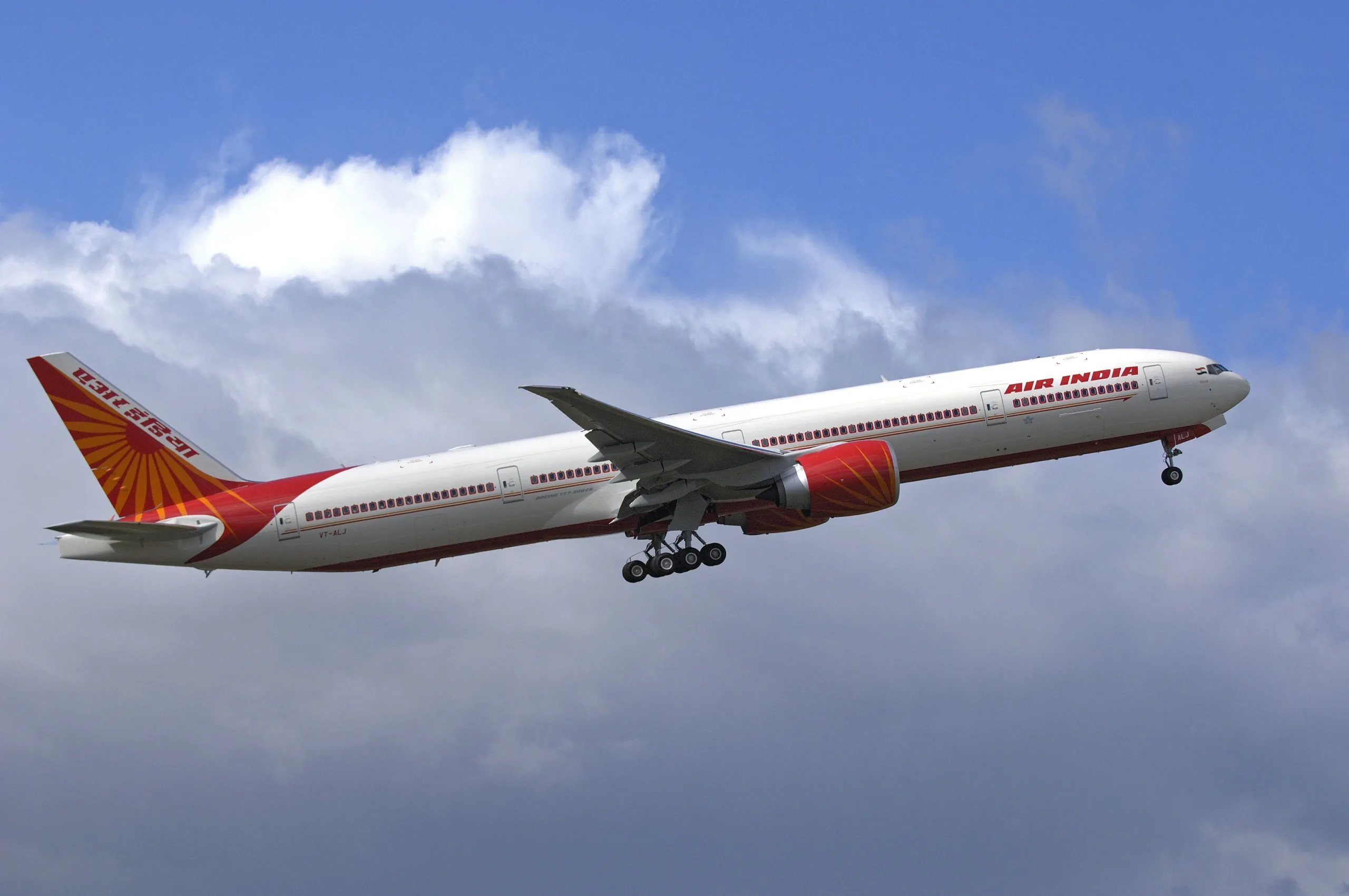
An Air India (AI) flight from Indira Gandhi International Airport to Vancouver International Airport was forced to return mid-air after a fleet deployment error involving regulatory clearance. The Indian flag carrier basically flew a wrong aircraft to Canada.
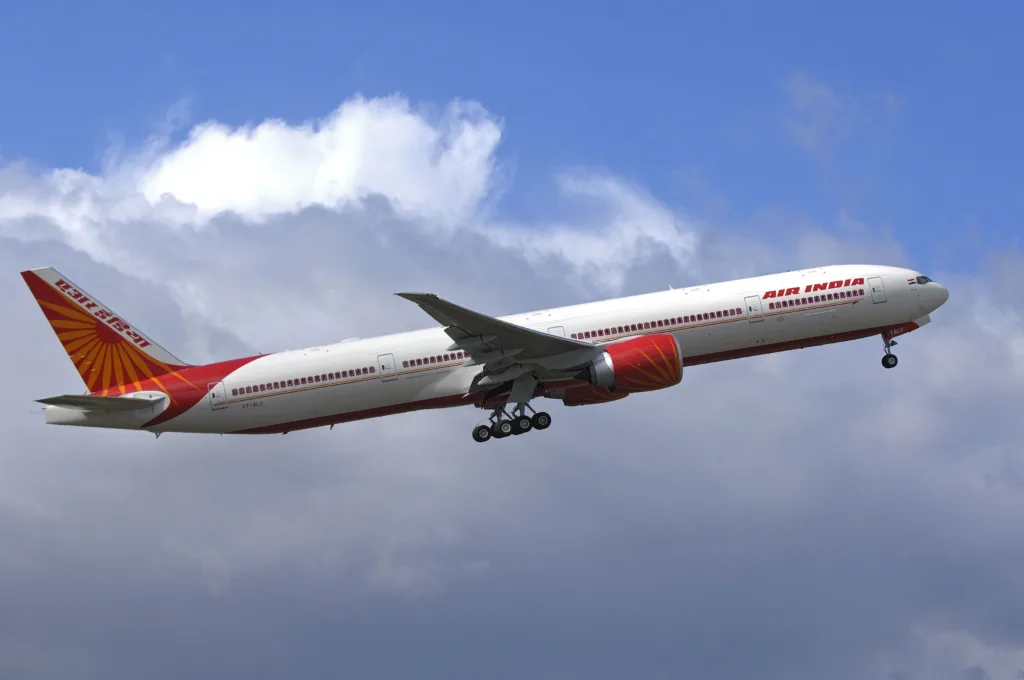
On March 19, 2026, flight AI185 departed Delhi with a full passenger load but was operated by a Boeing 777-200LR that lacked approval to operate into Canada.
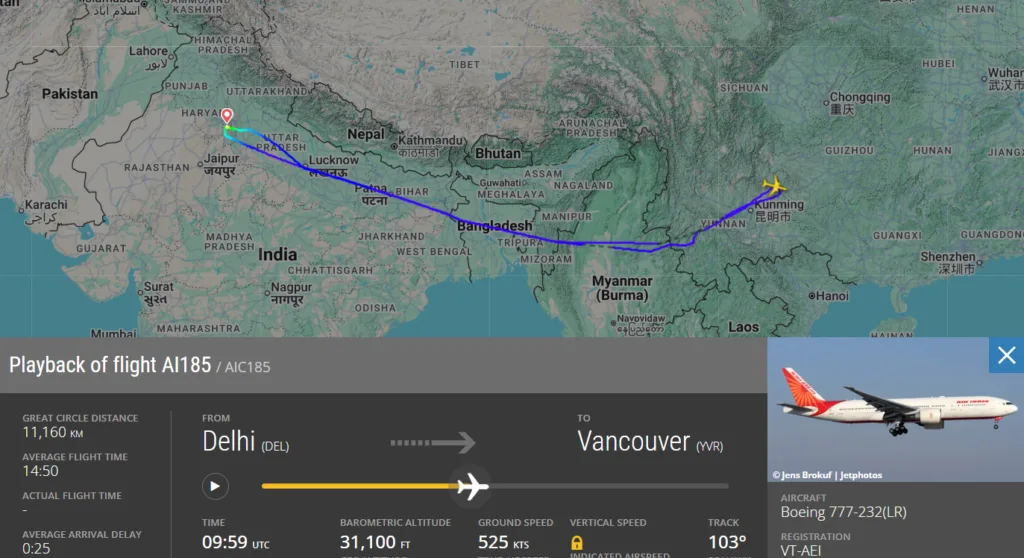
The issue was identified several hours into the flight while the aircraft was over Chinese airspace, forcing the crew to turn back and return to Delhi.
Nine Hours Flight to Nowhere
Flight tracking data shows AI185 departed at approximately 11:34 AM local time and landed back in Delhi at 7:19 PM, resulting in close to nine hours of flying without reaching Vancouver.
At the time of the decision, the aircraft was near Kunming in southwestern China, having already completed a significant portion of the eastbound journey.
Fleet-Specific Regulatory Restrictions
This event stems from fleet-specific regulatory approvals under international aviation agreements.
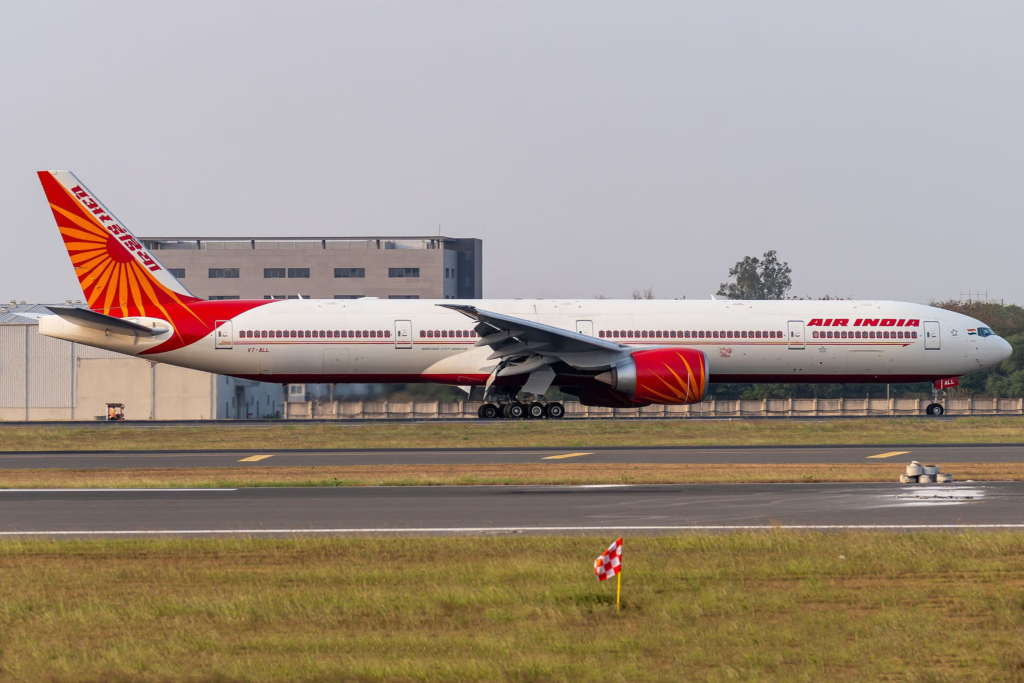
While Air India operates both Boeing 777-300ER and 777-200LR variants, only the 777-300ER has been cleared by Canadian authorities for entry into the country.
Such approvals are not universal across aircraft types within the same airline. They can depend on:
- Aircraft certification and documentation
- Operational approvals tied to specific registrations
- Bilateral air service agreements
As a result, deploying the wrong aircraft type can result in denial of entry into foreign airspace, even if the aircraft is technically capable of operating the route.
Operational Oversight, Not Systemic Failure
Initial reports indicate the incident was due to an internal operational lapse rather than a broader regulatory or safety failure.
Industry sources cited by local media described the situation as rare, pointing to a breakdown in dispatch or fleet assignment checks rather than systemic non-compliance.
However, the error has raised questions about coordination between scheduling, dispatch, and regulatory compliance teams, particularly for ultra-long-haul operations.
Financial Impact of a Long-Haul Diversion
Operating a widebody aircraft like the Boeing 777 typically involves fuel burn of approximately 8–9 tonnes per hour.
A near nine-hour return flight implies:
- Significant fuel loss
- Crew duty and operational costs
- Airport and handling charges
- Passenger reaccommodation expenses
This places additional cost pressure on Air India, which is currently undergoing fleet restructuring and operational adjustments.
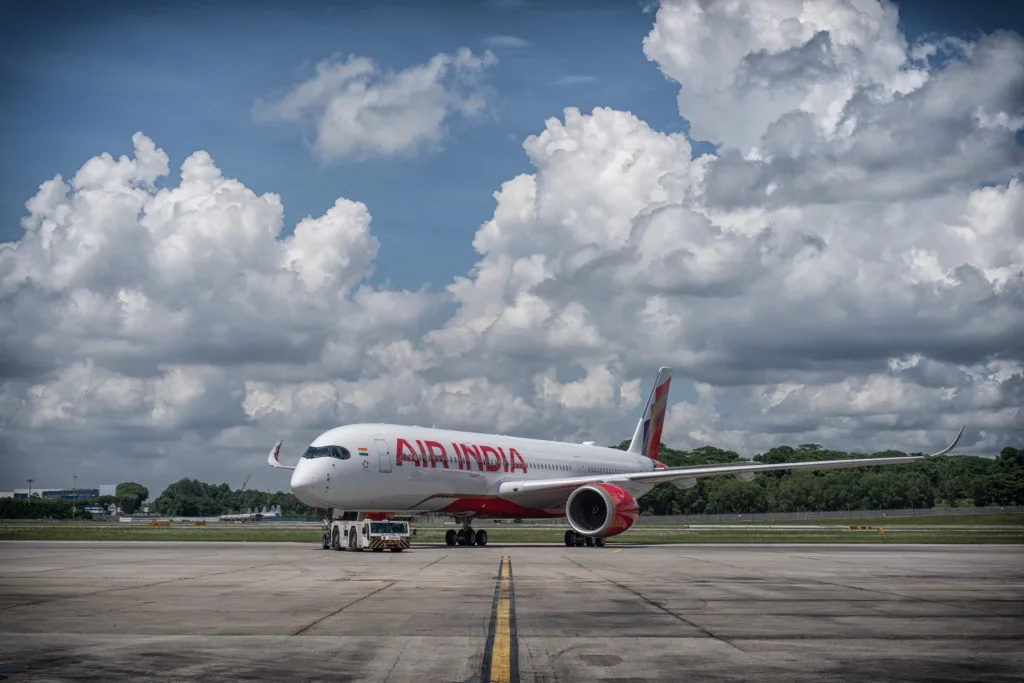
Moreover, the airline is already in the process of phasing out several leased 777-200LR aircraft and transitioning more North American routes to the 777-300ER fleet.
Passenger Handling and Airline Response
Air India confirmed the flight returned due to an operational issue in line with standard procedures.
Following arrival in Delhi:
- Passengers were provided with hotel accommodation
- Rebooking was arranged on alternative flights
- The Delhi–Vancouver service resumed the following day
Additionally, the airline reiterated that safety and compliance remain priorities and expressed regret for the disruption.
Industry Reaction Highlights Avoidable Error
The incident has drawn attention due to its preventable nature.
While diversions linked to weather, technical issues, or geopolitical airspace restrictions have become more common, a return caused by an internal fleet assignment error remains unusual.
Air India flight AI185 exemplifies the operational risks tied to fleet-specific regulatory approvals in international aviation.
Although no safety concerns were reported, the incident resulted in a full-flight turnaround after several hours airborne, leading to financial losses and passenger disruption.
Please join our Telegram Channel for the latest aviation updates.
Air Canada Wrong Aircraft
